Category: The 1970’s
-
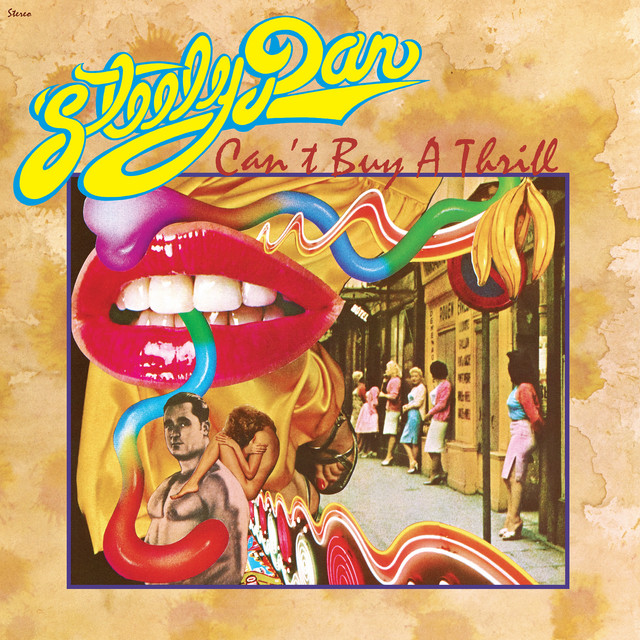
Steely Dan ‘Can’t Buy A Thrill’ (1972)
Steely Dan’s lead singer Donald Fagen’s obsession with songwriting is the stuff of legend, a tireless pursuit of the perfect chord progression and lyric that helped define the sound of 70s rock. Known for his meticulous perfectionism in the studio, Fagen approached music like an alchemist, blending elements from jazz, rock, and pop to create…
Written by
·
-
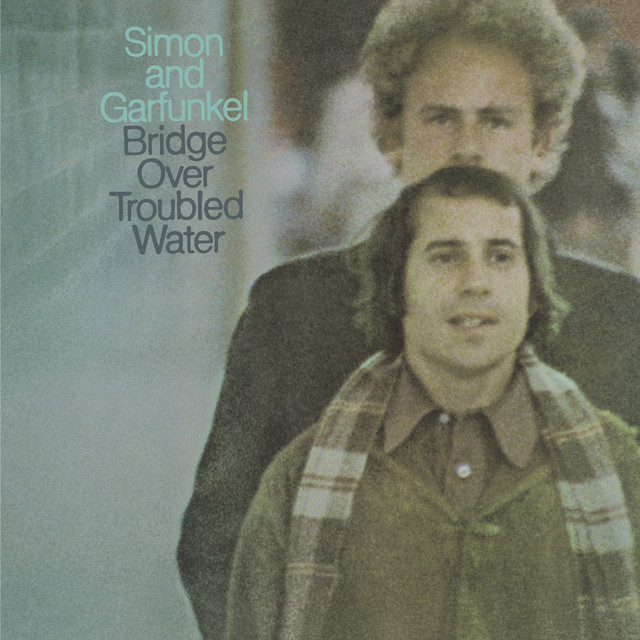
Simon & Garfunkel ‘Bridge over Troubled Water’ (1970)
By 1970 Simon & Garfunkel were already household names, celebrated for their rich harmonies and evocative storytelling that defined a generation. Their previous album Bookends had solidified their place as folk rock icons with hits like “Mrs. Robinson” and “A Hazy Shade of Winter,” blending poetic lyrics with lush, genre-defining arrangements. The duo’s ability to…
Written by
·
-
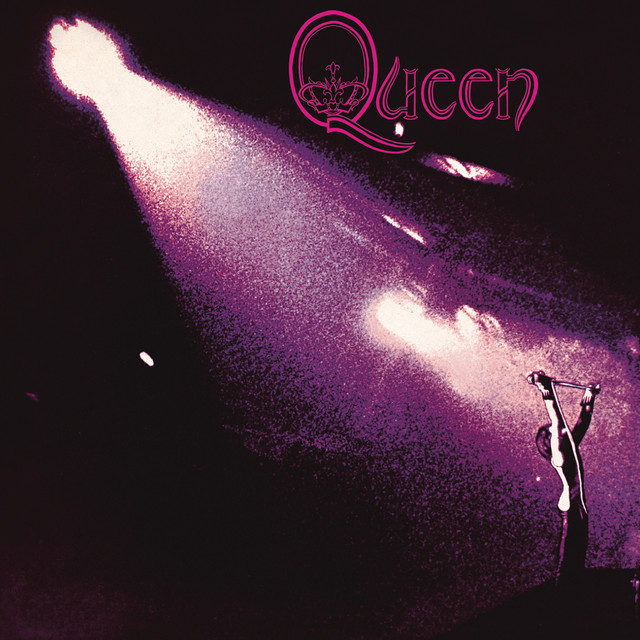
Queen ‘Queen’ (1973)
Queen’s journey began with a chance encounter in London’s dirty rock clubs. Guitarist Brian May and drummer Roger Taylor were part of a band called Smile when a charismatic fan named Freddie Mercury entered the picture. A visionary with a flair for the dramatic, Freddie suggested the band adopt a more theatrical approach to their…
Written by
·
-
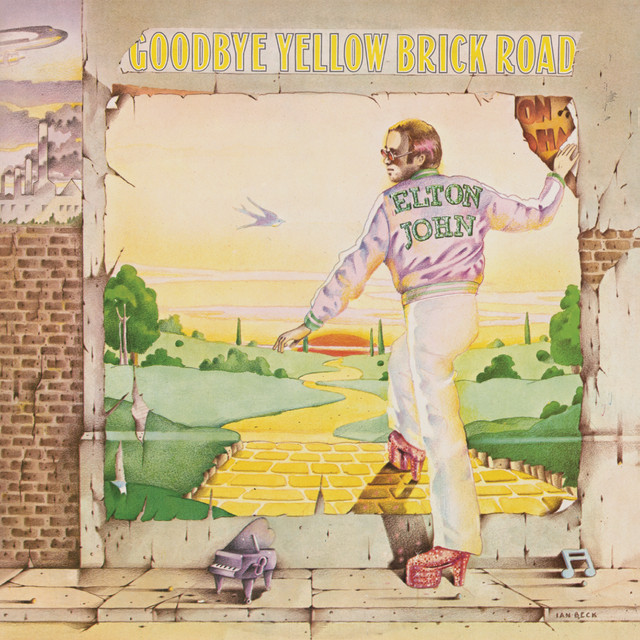
Elton John ‘Goodbye Yellow Brick Road’ (1973)
By the early 1970s Elton John was already a cultural phenomenon. His self-titled debut and Honky Chateau had already accelerated his rise from London’s pub scene to international superstardom. All of the elements that made him one of the defining artists of the past 50 years were beginning to truly bloom– his flamboyant stage presence,…
Written by
·
-
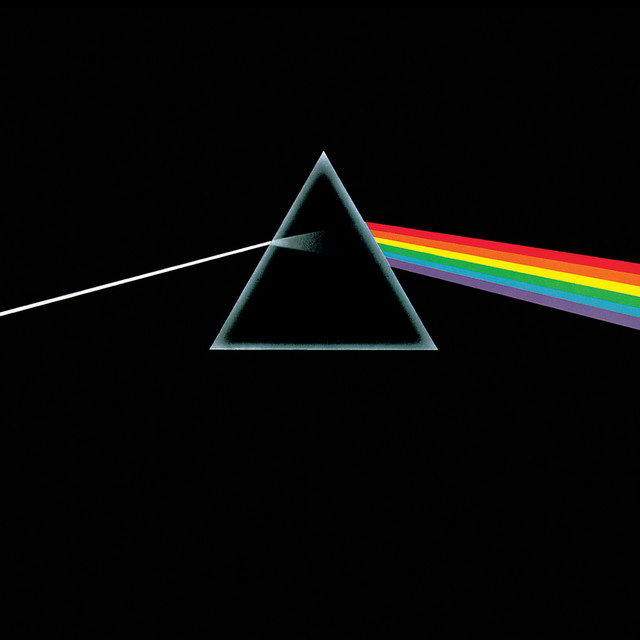
Pink Floyd ‘The Dark Side of the Moon’ (1973)
Pink Floyd’s The Dark Side of the Moon stands as one of the most profound explorations of human fragility ever captured. It’s one of my favorite albums of all-time for literally a hundred reasons, an introspective and powerful concoction of musical genius mixed with thematic brilliance. This is an album that makes you think and…
Written by
·
-
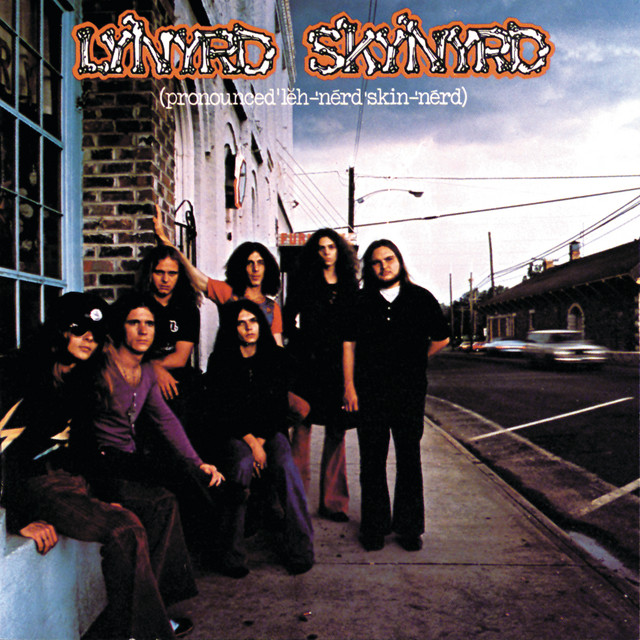
Lynyrd Skynrd ‘Pronounced Leh-Nerd-Skin-Nerd’ (1973)
Lynyrd Skynyrd’s story is as quintessentially American as their music. Formed in Jacksonville, Florida, in 1964 by a group of high school friends—Ronnie Van Zant, Gary Rossington, Allen Collins, Larry Junstrom, and Bob Burns—the band began honing their craft in garages and local dives. By the time they released their self-titled debut album in 1973…
Written by
·
-
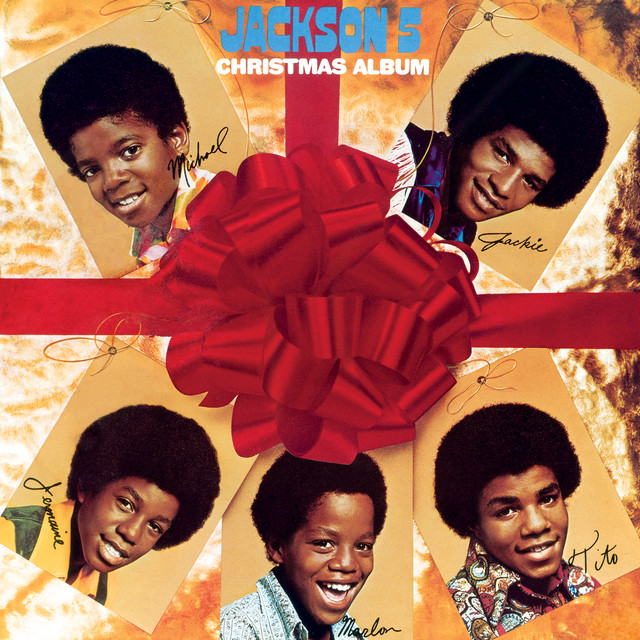
The Jackson 5 ‘Christmas Album’ (1970)
Fronted by a precocious 11-year-old Michael Jackson, whose voice carried a blend of innocence and soul far beyond his years, The Jackson 5 quickly became a pop phenomenon in the early 70’s with hits like “I Want You Back,” “ABC,” and “I’ll Be There” showcasing their boundless talent that made eventually make Michael pop music’s…
Written by
·
-
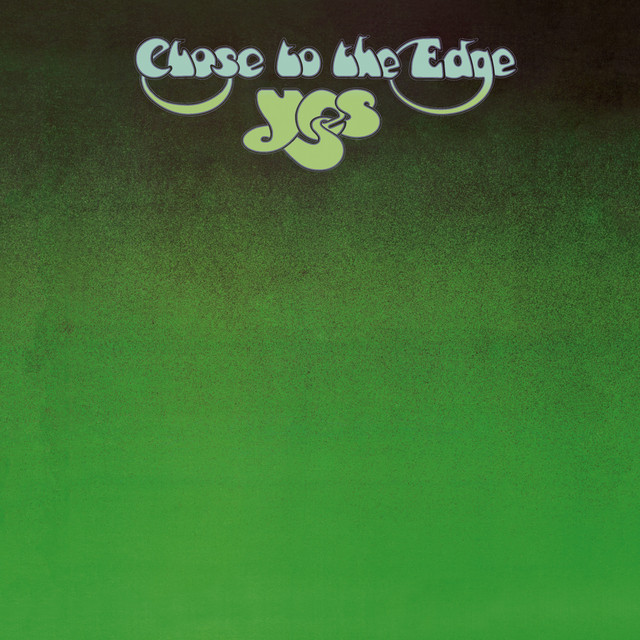
Yes ‘Close to the Edge’ (1972)
Close to the Edge is a cornerstone of progressive rock, a sprawling masterpiece that pushed the boundaries of what rock music (and more broadly music in general) could achieve. Released in 1972, the album’s sprawling three epic tracks showcased virtuosic musicianship, complex compositions, and a sense of ambition that was unprecedented at the time and…
Written by
·
-
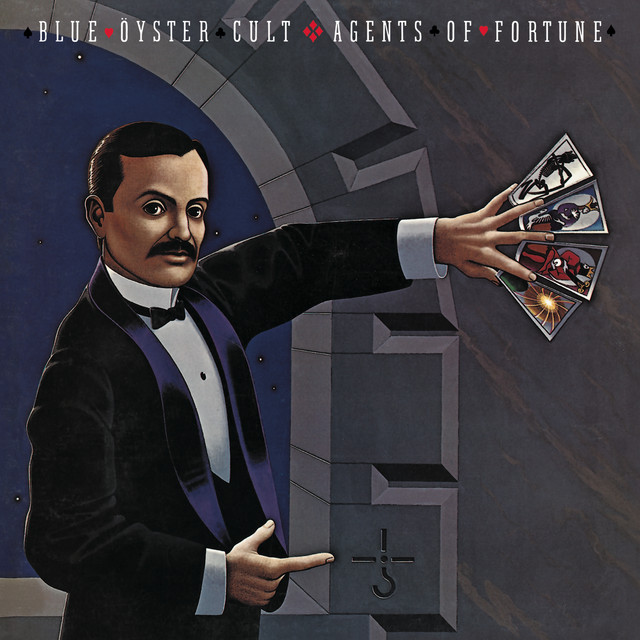
Blue Öyster Cult ‘Agents of Fortune’ (1976)
Unless you’ve been living under a rock for the past 25 years you’ve probably seen the SNL “More Cowbell” skit featuring Christopher Walken and Will Ferrell that parodies “Don’t Fear The Reaper”, the lead single off Blue Öyster Cult’s Agents of Fortune. It’s an iconic skit that sticks with you long after you’ve seen it,…
Written by
·
-

Todd Rundgren ‘Something/Anything?’ (1972)
Todd Rundgren’s career was a tightrope walk between pop stardom and cult icon status, a balancing act that began in the late 1960s and reached its zenith with the 1972 magnum opus Something/Anything?. Emerging with the Nazz, a psych-rock band steeped in Beatlesque melodies, Rundgren quickly set his sights on a broader canvas as a…
Written by
·
-

Genesis ‘The Lamb Lies Down On Broadway’ (1974)
A lot of people remember Genesis for their pop breakout 1986 album Invisible Touch but forget that ahead of that mainstream success they were a heavyweight prog-rock band with an embarrassment of riches on the talent side of the house. Any band that has Peter Gabriel and Phil Collins on its roster of musicians is…
Written by
·
-
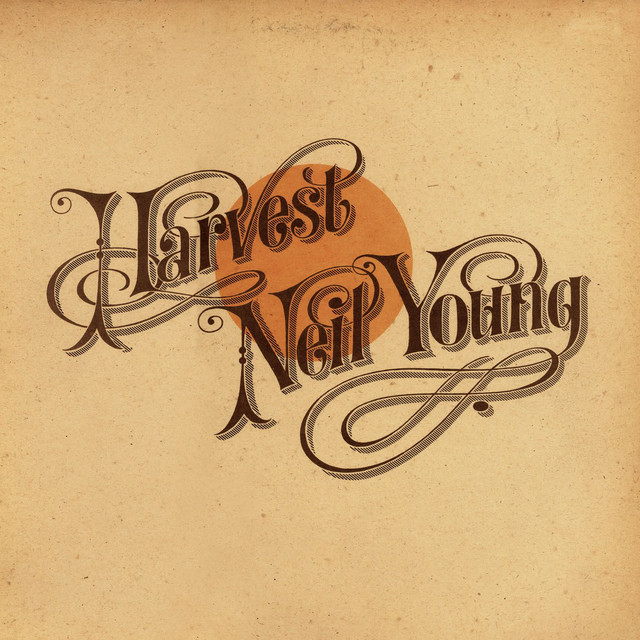
Neil Young ‘Harvest’ (1972)
Harvest would end up defining not only Neil Young’s career but also an era of introspective, folk-infused rock. At the time Young was already known for his poetic lyricism and achingly honest voice, traits that had made him a beloved figure in the folk-rock world, and his work with CSNY (specifically their masterful Deja Vu…
Written by
·
-
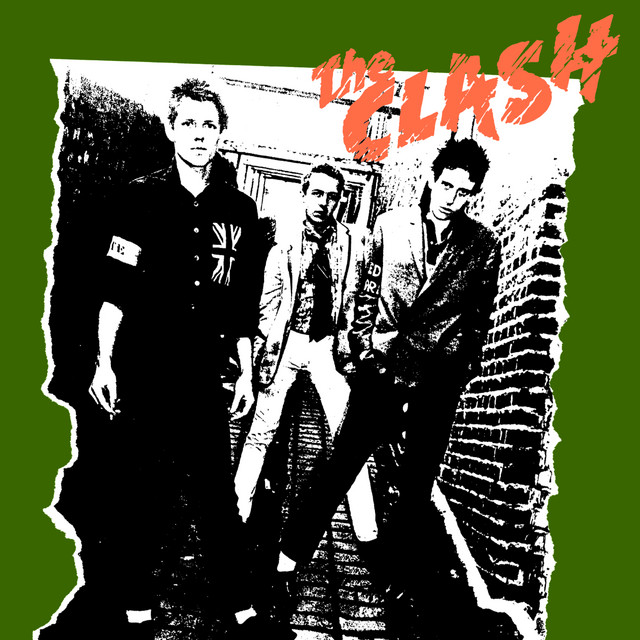
The Clash ‘The Clash’ (1977)
In the spring of 1977 a burst of raw energy and defiance echoed through London’s streets when The Clash released their self-titled debut album. Recorded in just three weekends at a cost of around £4,000, the album captured the urgency and frustration of a generation fed up with unemployment, social injustice, and a stagnant music…
Written by
·
-
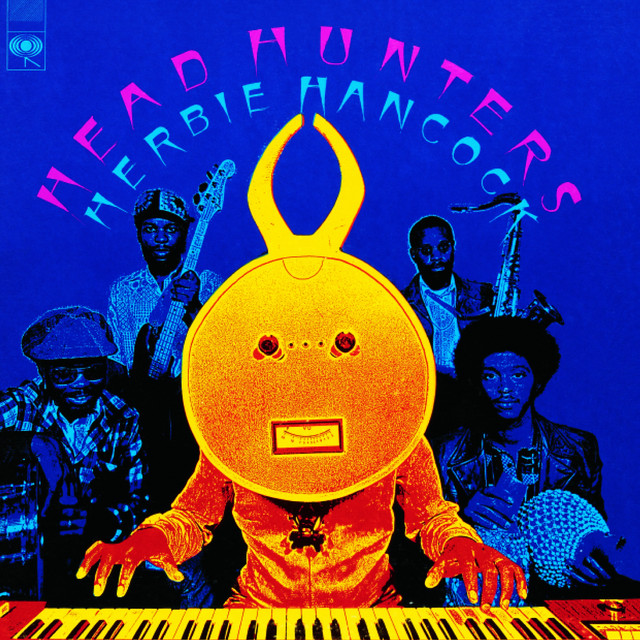
Herbie Hancock ‘Head Hunters’ (1973)
Herbie Hancock’s influence on funk is undeniable, with his groundbreaking keyboard work redefining what was possible within the genre. Hancock brought a mesmerizing harmonic sophistication and experimental spirit into funk, especially through his mastery of the electric keyboard and synthesizer. On Head Hunters he fused the rhythmic depth of jazz with the driving grooves of…
Written by
·
-

ABBA ‘Arrival’ (1976)
ABBA’s Arrival showcases the band’s signature blend of pop brilliance and sense of drama– the whole album has always felt to me like something out of a Broadway musical, with tunes that told a grandiose story played up to maximum effect. From the infectious energy of “Dancing Queen” (how many goddamn weddings have you been…
Written by
·
-
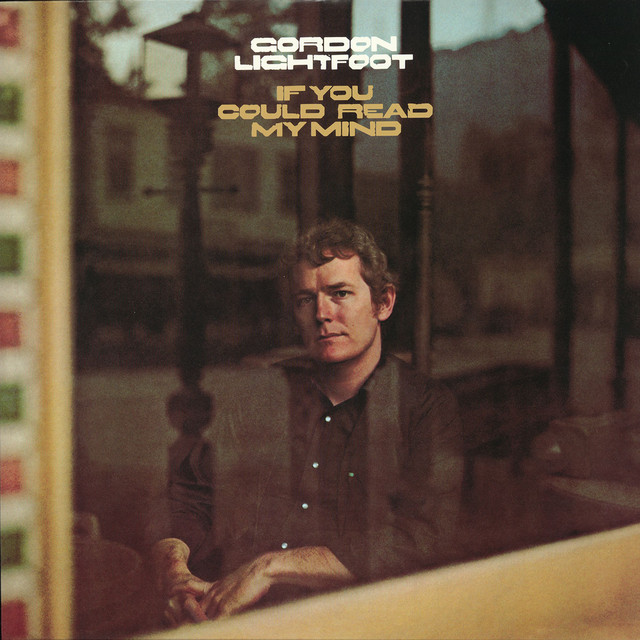
Gordon Lightfoot ‘If You Could Read My Mind’ (1970)
Gordon Lightfoot’s has an enduring appeal that stems from a rather extraordinary gift for melody and his captivating storytelling. With a career spanning over six decades he carved a unique space in folk and pop music, seamlessly blending poetic lyrics with an accessibility that gave him an everyman type feel. He was considerate and not…
Written by
·
-
Bad Company ‘Bad Company’ (1974)
If you love yourself a good old fashioned English rock supergroup from the 70’s you’ve come to the right place. Bad Company was comprised of vocalist Paul Rodgers, drummer Simon Kirke (both ex-Free), guitarist Mick Ralphs (ex-Mott The Hoople), and bassist Boz Burrell (ex-King Crimson) all had come together at a unique time in their…
Written by
·
-

Bobby Caldwell ‘What You Won’t Do For Love’ (1978)
On the yacht rock front it doesn’t get much better than the title track off this album. It’s one of the smoothest and vibey songs in that genre, a mainstay on playlists and radio stations who turn up that smooth dial to 11. It was nearly an instant classic in that regard– lyrics that focus…
Written by
·
-
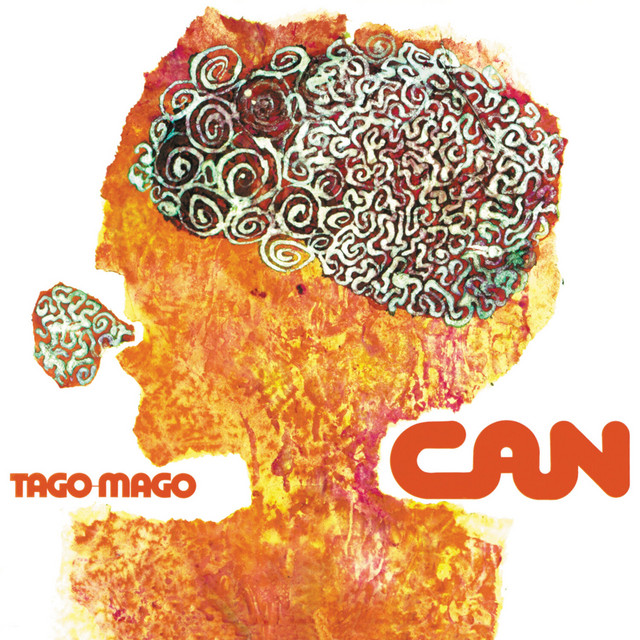
Can ‘Tago Mago’ (1971)
Krautrock was an experimental genre of music that developed in West Germany during the late 1960’s, combining elements of psychedelic rock, avant-garde composition, and electronic music. One thing the genre was especially known for was the usage of musique concrète, which basically describes the process of taking a typical sound recording (instrument or voice), modifying…
Written by
·
-
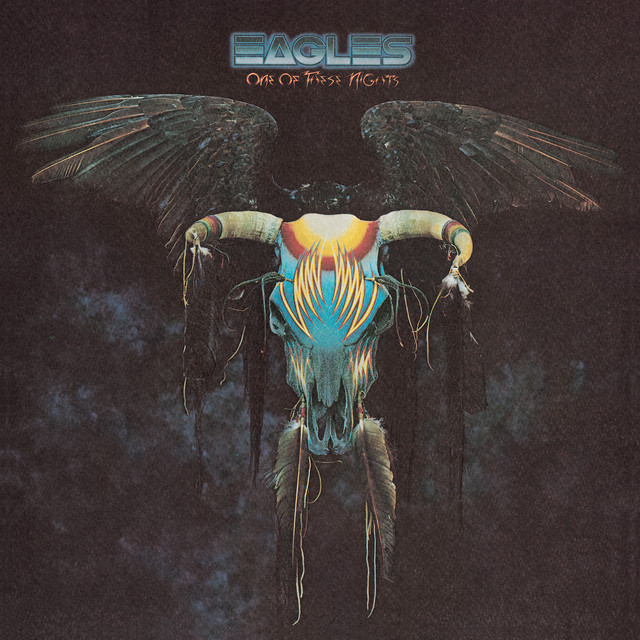
Eagles ‘One of These Nights’ (1975)
Eagles’ One of These Nights is a masterclass example of studio alchemy, a pivotal moment that reshaped the band’s trajectory and left an indelible mark on 70s rock. Recorded at Record Plant Studios in Los Angeles, the album emerges from a tumultuous period for the band, who were grappling with internal friction and the pressures…
Written by
·
-
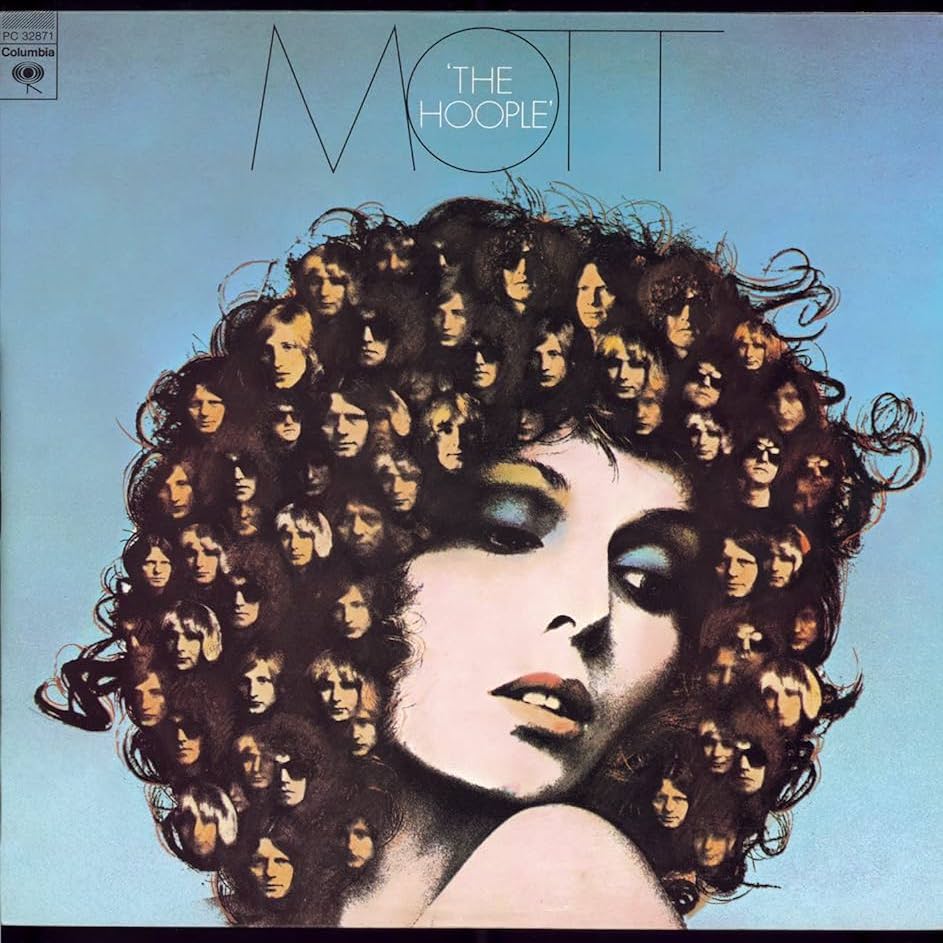
Mott The Hoople ‘The Hoople’ (1974)
Mott the Hoople was formed in 1969 during an interesting time in rock history– psychedelic music was in its heyday and the advent of distorted electric guitars was becoming more commonplace. In addition, artists like David Bowie were beginning to push the pace sonically and bringing in a more avant-garde experimental sound to the masses…
Written by
·
-
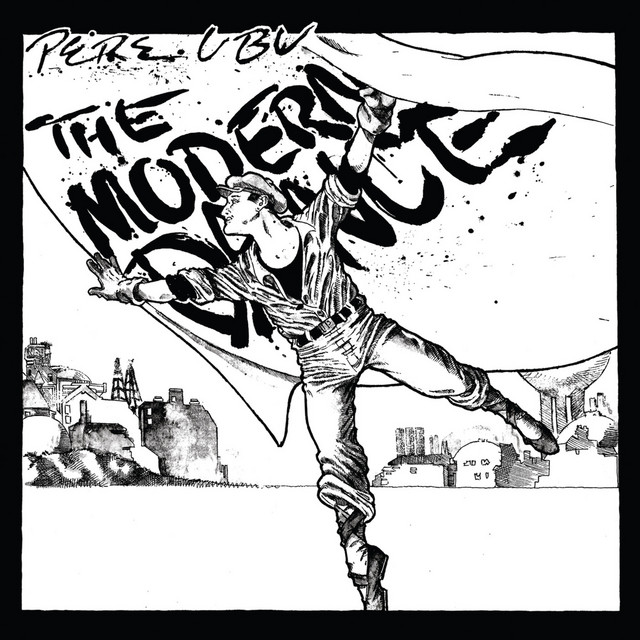
Pere Ubu ‘The Modern Dance’ (1978)
The Modern Dance somewhat reshaped the landscape of avant-garde rock during the late 70’s. Its fusion of punk energy, experimental soundscapes, and visceral essence is apparent from the opening track– jarring rhythms, theatrical vocals, buzzy bass, and inventive guitar work creates a sense of unpredictability at every turn. It’s chaotic, urgent, unsettling, and captivating at…
Written by
·
-
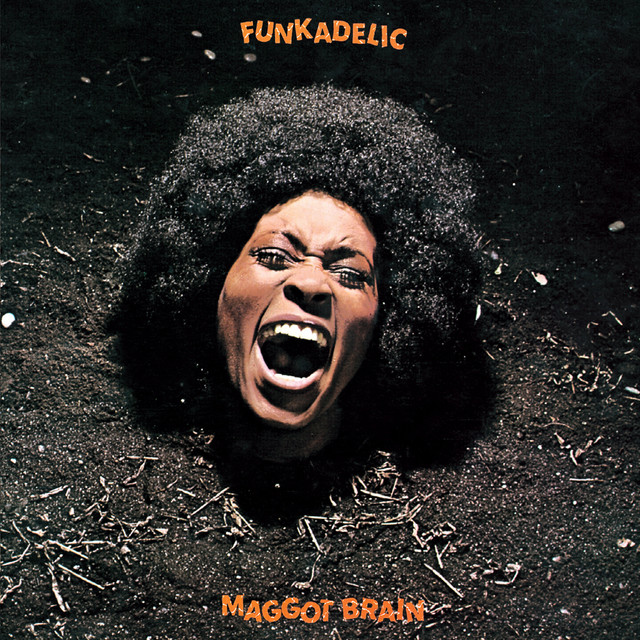
Funkadelic ‘Maggot Brain’ (1971)
Parliament and Funkadelic, both spearheaded by George Clinton, represented two intertwined facets of his unique musical vision. Parliament, originally the name of Clinton’s doo-wop group in the 60’s, eventually evolved into a more mainstream, funk-oriented band known for its vibrant and theatrical style (their 1975 album Mothership Connection is a favorite of mine). Funkadelic on…
Written by
·
-
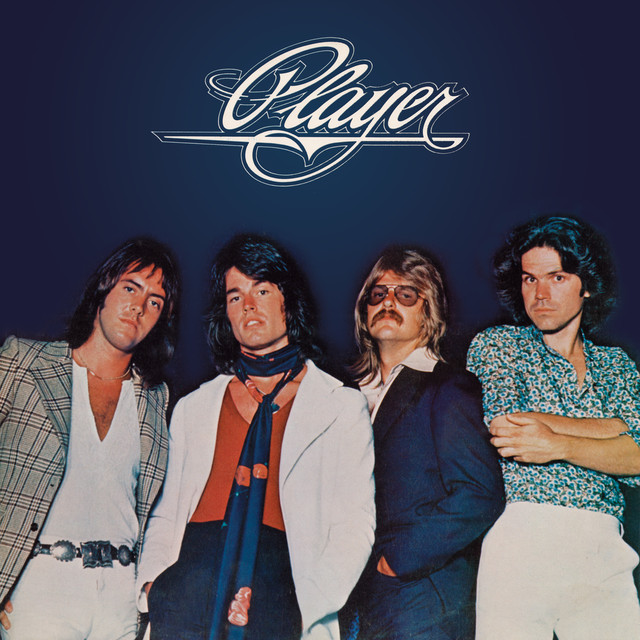
Player ‘Player’ (1977)
Player’s self-titled debut album introduced listeners to the band’s smooth blend of soft rock that would be featured on yacht rock playlists for years to come. Featuring a polished sound and sophisticated production, the album is best known for its hit single “Baby Come Back” which effectively defines yacht rock for me– catchy melodies, harmonies…
Written by
·
-
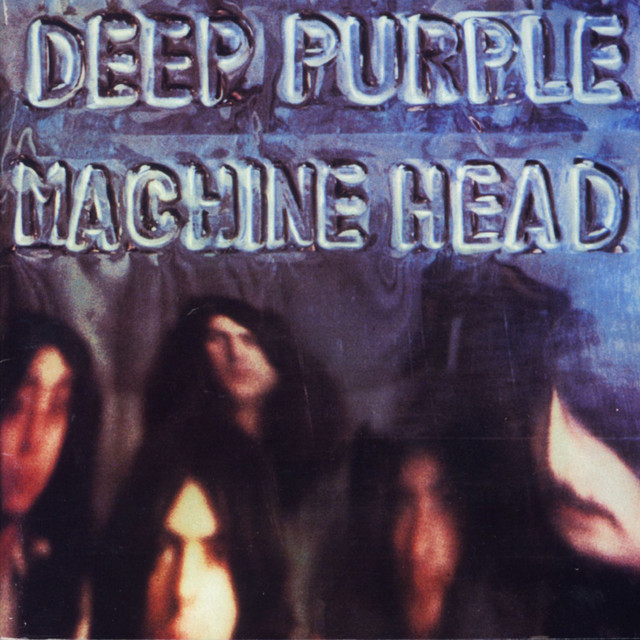
Deep Purple ‘Machine Head’ (1972)
If you’ve ever picked up a guitar it’s nearly a guarantee that you’ve attempted to play “Smoke on the Water” by Deep Purple. It’s one of the most iconic riffs of all-time outside of maybe “Crazy Train” by Ozzy Osbourne or “Back in Black” by AC/DC, immediately recognizable for both its simplicity as well as…
Written by
·
-
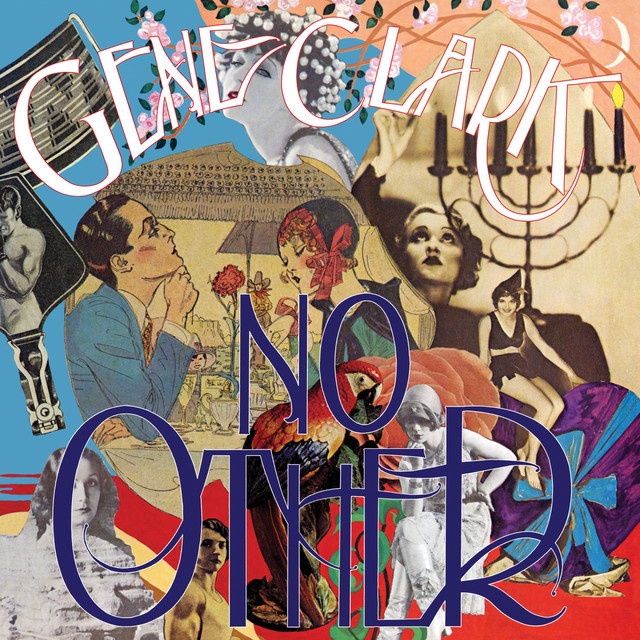
Gene Clark ‘No Other’ (1974)
Gene Clark is best known for his time with The Byrds during the mid-60’s, but his solo work that followed is truly where he began to shine as an artist. His album No Other is honestly somewhat of a lost masterpiece, similar in a way to Dennis Wilson’s magnum opus Pacific Ocean Blue— two great…
Written by
·
-
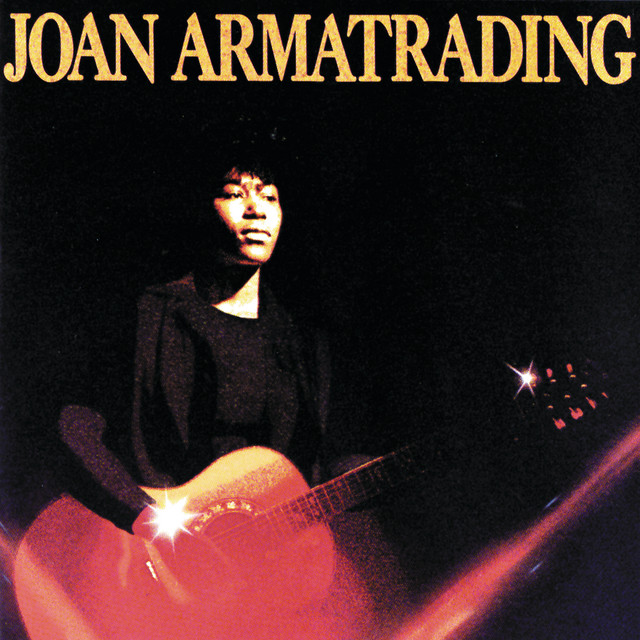
Joan Armatrading ‘Joan Armatrading’ (1976)
Standing somewhere in between the hazy folk singer-songwriter vibes of the early 70’s and the more grandiose classic rock production that would come latter in the decade, Joan Armatrading’s self-titled third album has a really sly way of working its way into your headspace over the entirety of its ten songs. It’s an intimate treatise…
Written by
·
-
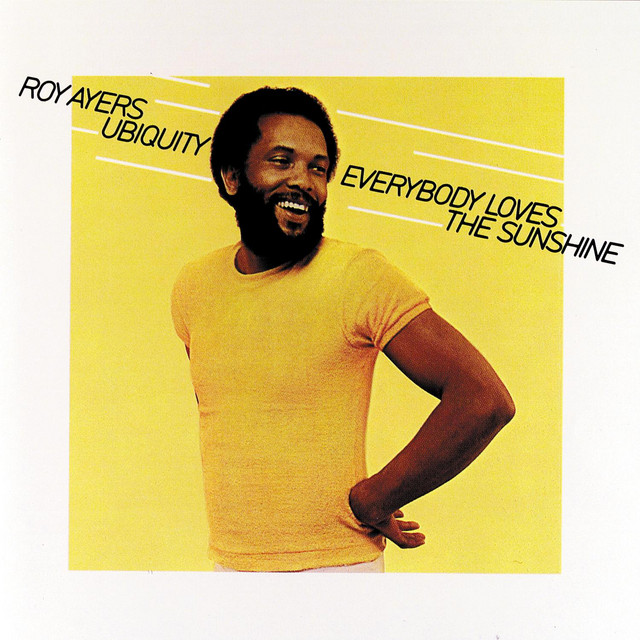
Roy Ayers Ubiquity ‘Everybody Loves The Sunshine’ (1976)
Roy Ayers is the godfather of neo-soul, setting off on a prolific career in the 1970’s that saw him churn out nearly an album per year. Along with his timeless classic “Everybody Loves the Sunshine” (the title track off this album– more on that in a minute), Ayers is also known for his stature in…
Written by
·
-
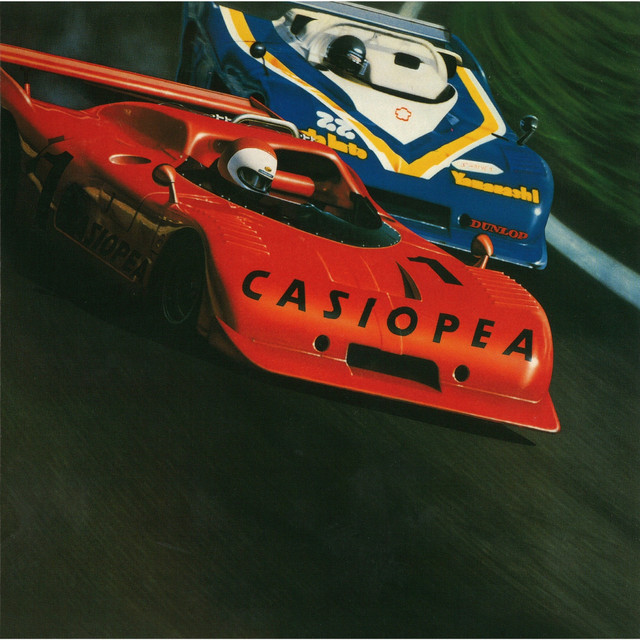
Casiopea ‘Casiopea’ (1979)
Japanese jazz fusion group Casiopea has been around for a minute ever since releasing their self-titled debut album in 1979. The band has gone through multiple lineup changes and released over 40 albums in their nearly 50-year career, constantly pushing the envelope of funk and jazz into the far off corners of the fusion genre.…
Written by
·
-
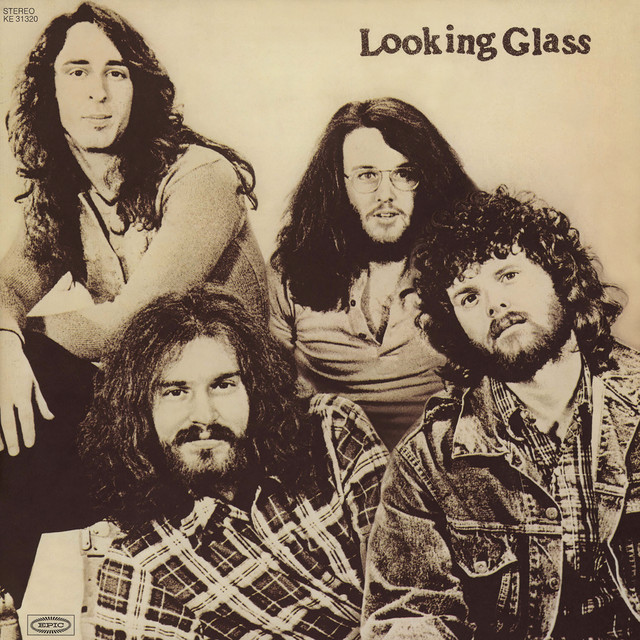
Looking Glass ‘Looking Glass’ (1972)
When my wife and I were first seriously dating she played me Looking Glass’ hit single “Brandy (You’re a Fine Girl)”. I don’t remember if I had ever heard the song before, either on a yacht rock radio station or otherwise, but what I do remember is that I’ll never forget that moment. The way…
Written by
·
-
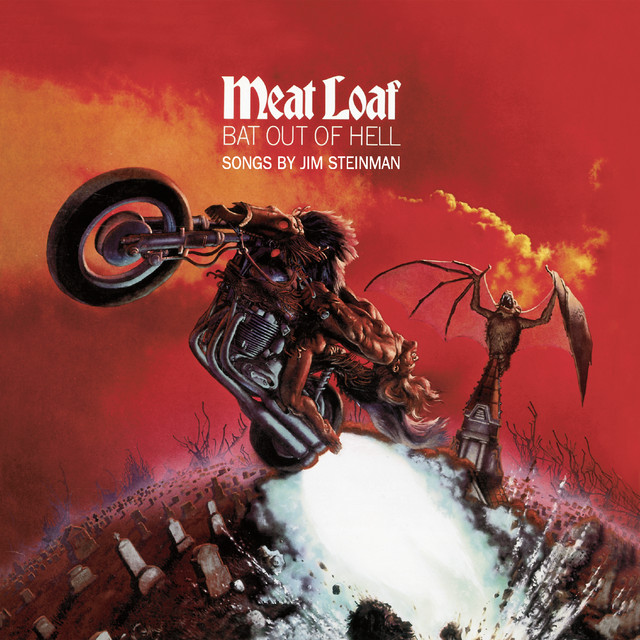
Meat Loaf ‘Bat Out of Hell’ (1977)
Bat Out of Hell is the first edition of the musical trilogy that made Meat Loaf a household name over the course of four decades. Bat Out of Hell and its two companion albums (1993’s Bat Out of Hell II: Back into Hell which features his most famous song “”I’d Do Anything for Love (But…
Written by
·
-

Joni Mitchell ‘Blue’ (1971)
Evaluating the importance of Joni Mitchell’s Blue over fifty years since it was released is a unique experience. From a contemporary listening perspective it’s a lovely folk album, filled with wonderful harmonies and rock-solid storytelling that explores the dynamics of romantic relationships and the swirling emotions that come along with them. But from a historical…
Written by
·
-
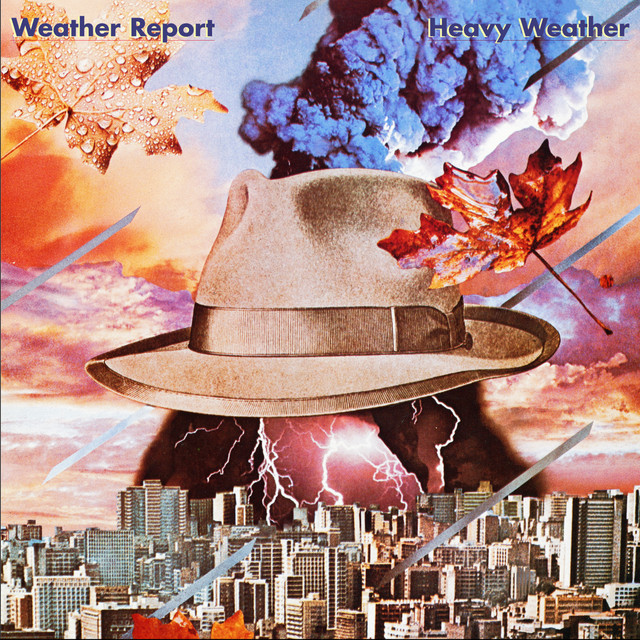
Weather Report ‘Heavy Weather’ (1977)
Jazz-rock is this interesting little corner of the music world that existed in the early 70’s amidst the prog-rock explosion before sort of withering away into smooth jazz with the likes of Kenny G in the 80’s. Jazz rock took a whole bunch of brilliant musicians who grew up listening to rock n’ roll and…
Written by
·
-

Dennis Wilson ‘Pacific Ocean Blue’ (1977)
Out of all the albums I’ve listened to over the last year in a half (529 plus in a row, and counting) the one that has come out of the woodwork and struck me completely by surprise is this one. I’m not a huge Beach Boys fan by any stretch of the imagination, and outside…
Written by
·
-

Van Halen ‘Van Halen’ (1978)
Imagine you’re 16 years old, sitting in your bedroom at home, and your older brother bursts into your room with a new album from an unknown band named Van Halen that just released their debut album. You’re getting into rock and roll so you flip it on and you hear the guitar playing of Eddie…
Written by
·
-

DEVO ‘Q: Are We Not Men? A: We Are Devo!’ (1978)
Despite being labelled a joke band whose deadpan humor and absurd live show featuring over the top science fiction references made them a fixture in the early American New Wave scene, Devo’s genesis was born of more serious circumstances. Their band name came from the concept of “de-evolution” (an idea that mankind had begun to…
Written by
·
