
Category: The 1970’s
-
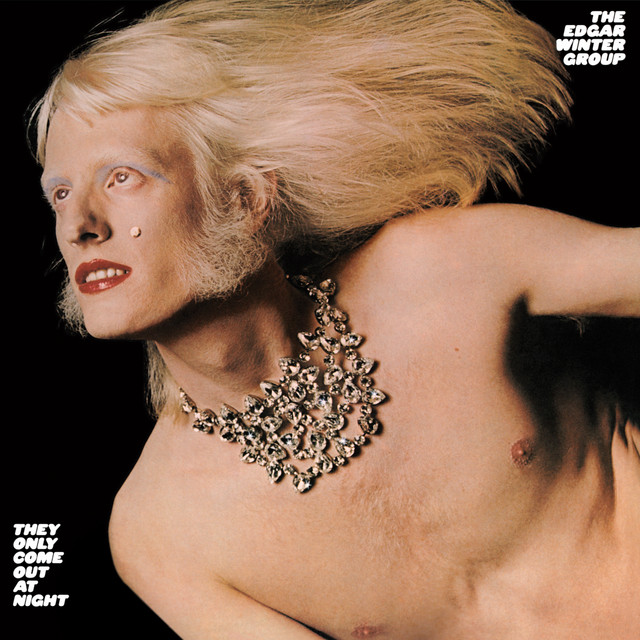
The Edgar Winter Group ‘They Only Come Out At Night’ (1972)
The Edgar Winter Group’s debut album is a solid slice of classic rock that shows off just how much muscle and melody the band had right from the start. With tracks like “Free Ride” and the instrumental powerhouse “Frankenstein,” they blended big riffs, tight grooves, and a sense of fun into their vintage 70’s sound.…
Written by
·
-
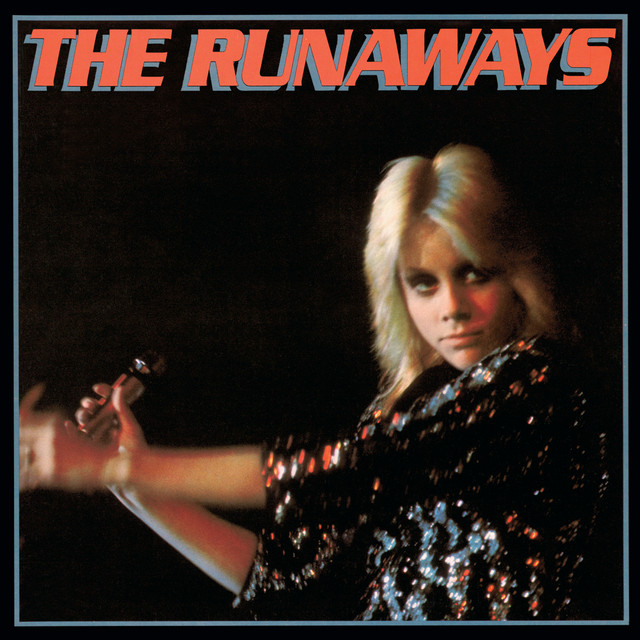
The Runaways ‘The Runaways’ (1976)
The Runaways’ 1976 self-titled debut was loud, raw, and about as unapologetic as a record could get at the time. Formed by a group of teenage girls who barely had their driver’s licenses, the band—featuring future rock icons like Joan Jett and Lita Ford—was put together under the guidance of manager Kim Fowley who saw…
Written by
·
-
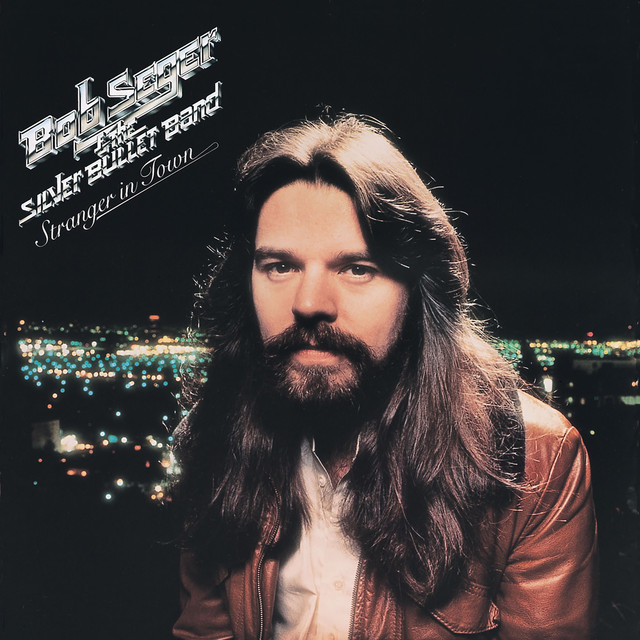
Bob Seger ‘Stranger In Town’ (1978)
Bob Seger’s Stranger In Town is one of those records that just feels like America on vinyl. You’ve got the highway dust, heartbreak, and pure heartland grit all in spades. Everyone of course knows “Old Time Rock and Roll” and its piano riff that whose iconic scene with Tom Cruise in Risky Business cemented its…
Written by
·
-
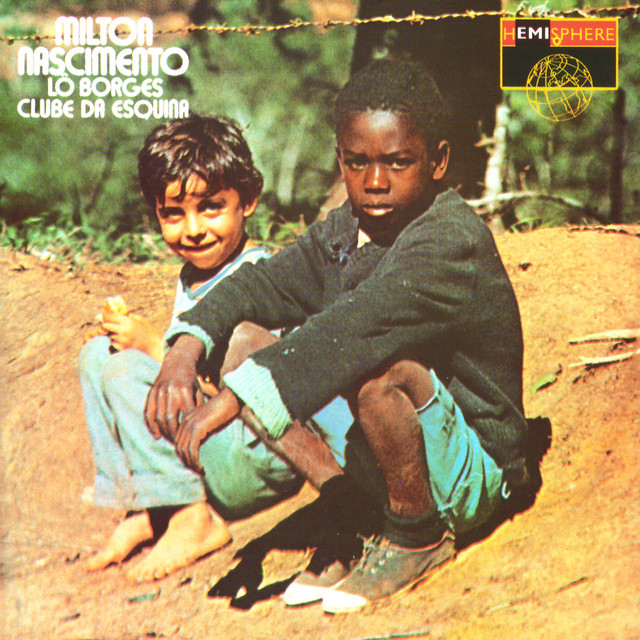
Milton Nascimento & Lo Borges ‘Clube Da Esquina’ (1972)
Recorded in 1972 under Brazil’s oppressive military dictatorship, Clube de Esquina represents both a musical triumph as well as a quiet act of resistance. At a time when censorship and fear defined daily life, Milton Nascimento and the 20-year-old Lô Borges gathered a collective of musicians to create something transcendent—a lush, double album that celebrated…
Written by
·
-
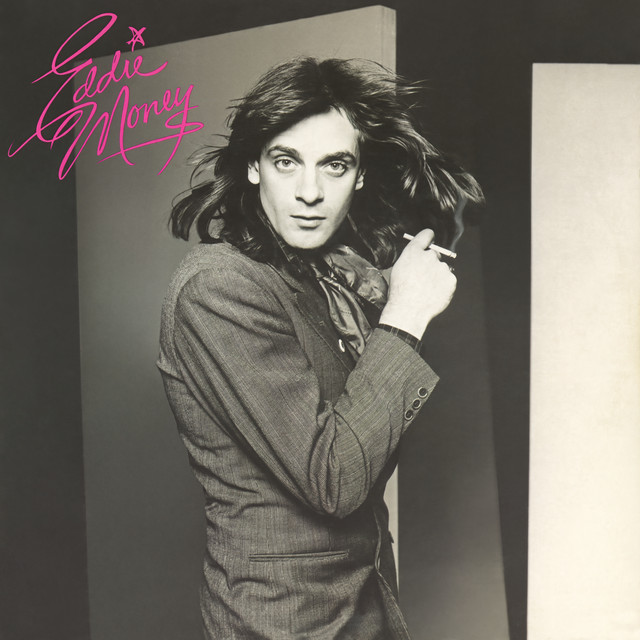
Eddie Money ‘Eddie Money’ (1977)
Eddie Money’s career was defined by his working-class spirit and his relentless pursuit of rock stardom, a goal that carried him from his early days as a New York City cop-in-training to becoming one of the most recognizable voices of late ’70s commercial rock radio. What set him apart wasn’t just his knack for writing…
Written by
·
-
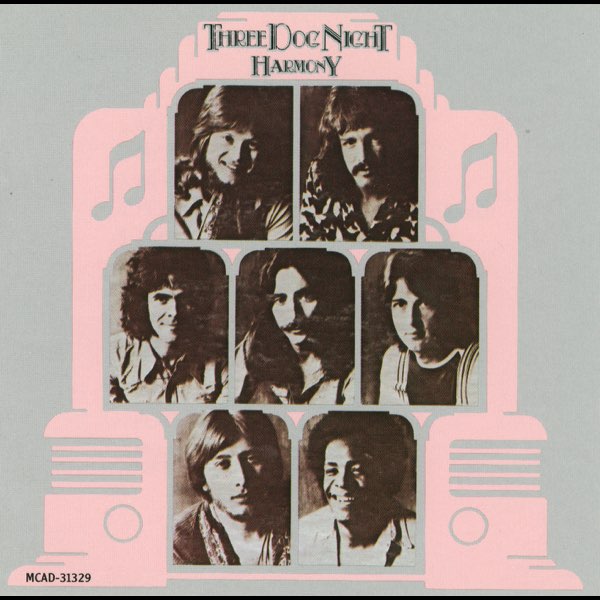
Three Dog Night ‘Harmony’ (1971)
Three Dog Night rose to prominence in the late 1960s and dominated the charts throughout the early ’70s with a string of polished radio-friendly hits. The band’s had a pretty unique identity in that they had a three-lead-singer format which gave their sound a versatility few groups outside of the Eagles could match. At their…
Written by
·
-
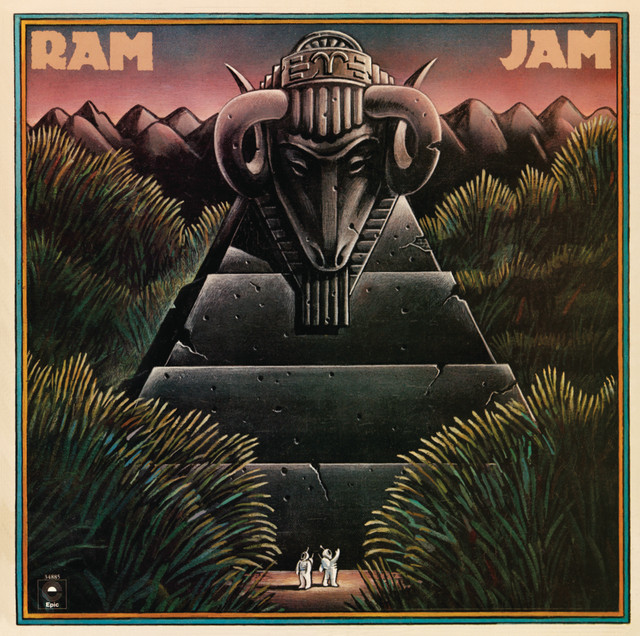
Ram Jam ‘Ram Jam’ (1977)
Ram Jam were only a band for two years but in that time they notched themself into history by creating their enduring cover of the 20th Century African American work song “Black Betty”. From the iconic guitar to the shuffle drum beat on the hi-hat, Ram Jam nailed their version and locked themselves into rock…
Written by
·
-
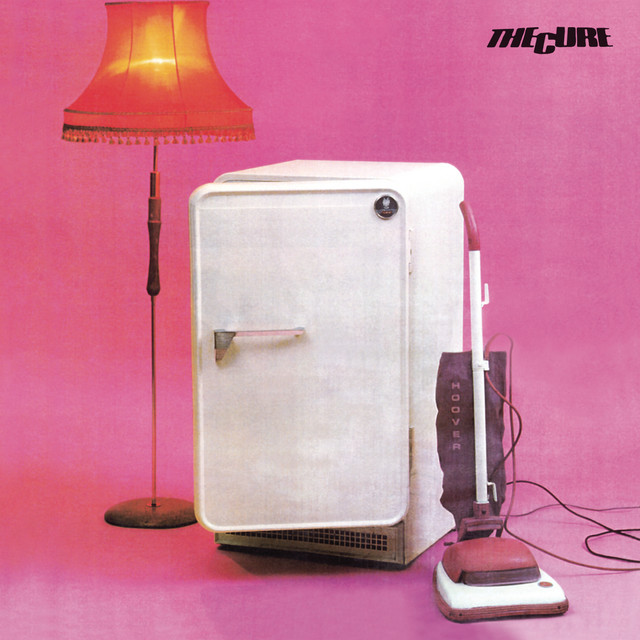
The Cure ‘Three Imaginary Boys’ (1979)
Three Imaginary Boys sounds basically nothing like the sweeping, sorrowful goth epics The Cure would later be known for (see their magnum opus Disintegration for the reaaal good stuff) which makes it a pretty interesting start to their discography. The record is wiry and stripped to the bone sonically, with jangly guitars and sharp drums,…
Written by
·
-
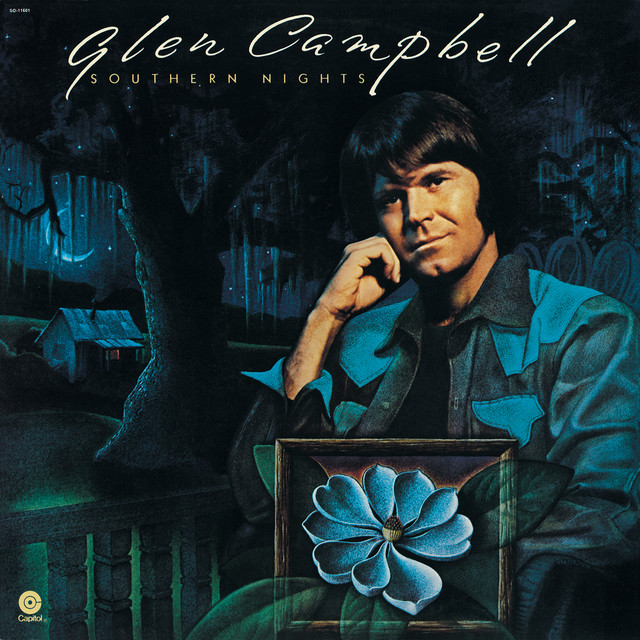
Glen Campbell ‘Southern Nights’ (1977)
In many ways Southern Nights served as Glen Campbell’s mainstream follow-up to the success of the impeccable Rhinestone Cowboy, especially since it arrived at the peak of his crossover influence in early 1977. Produced by Campbell alongside Gary Klein (a figure instrumental in broadening country’s reach into mainstream pop) this release blended Campbell’s guitar virtuosity…
Written by
·
-
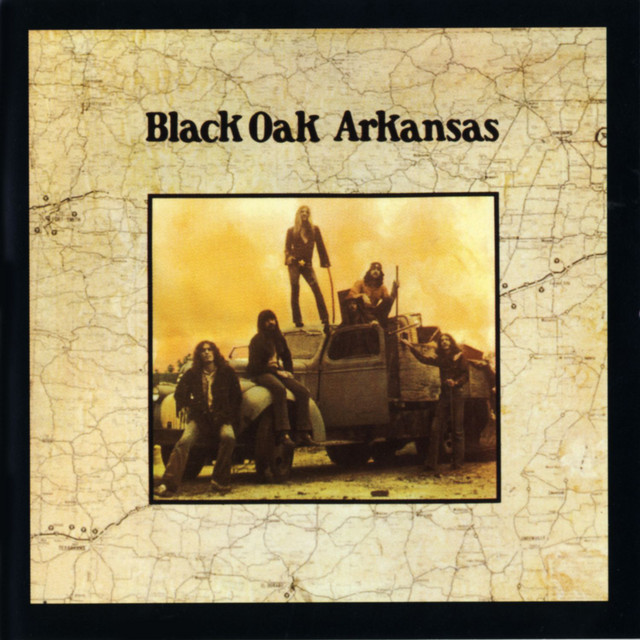
Black Oak Arkansas ‘Black Oak Arkansas’ (1971)
As I mentioned a few weeks back I’ve been reading Bruce Springsteen’s autobiography over the past few weeks during my down time. It’s a great little trip through his early life and career. Every once in awhile he’ll recall a story from one of his early shows, and one that stuck out was a show…
Written by
·
-
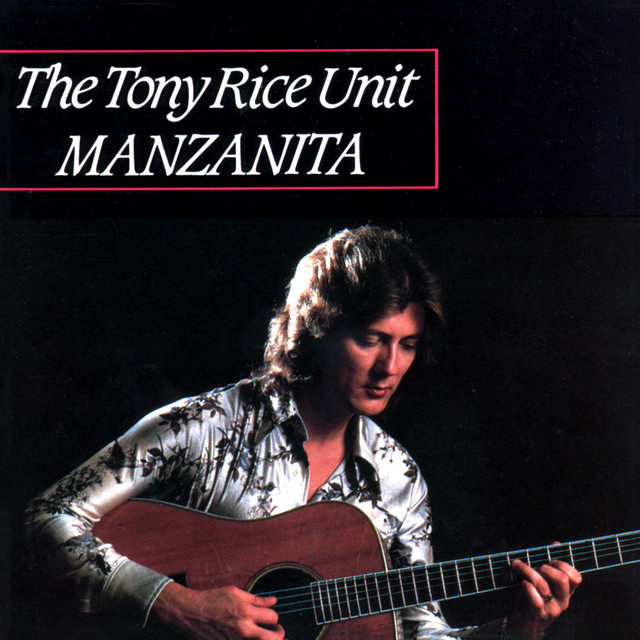
Tony Rice Unit ‘Manzanita’ (1979)
Tony Rice Unit’s Manzanita blends traditional bluegrass roots with the free-flowing feel of folk and acoustic jazz with a loose, natural swing to it. All the stringed instruments (guitar, mandolin, fiddle, bass) dance around each other in the background while Rice’s flatpicking remains front and center. It sounds like a front porch jam session played…
Written by
·
-
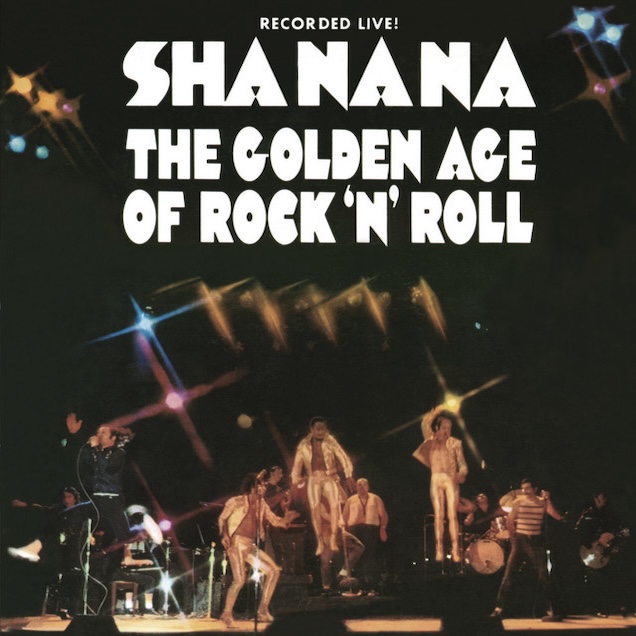
Sha Na Na ‘The Golden Age of Rock ‘n’ Roll’ (1973)
I’ve been reading Bruce Springsteen’s autobiography Born to Run over the past week or so (it’s excellent) and in detailing his early career growing up in Freehold, New Jersey The Boss makes a ton of references to the Doo Wop group Sha Na Na and how they influenced his life. Beside being a foundational band…
Written by
·
-

Dead Boys ‘Young, Loud, and Snotty’ (1977)
Young, Loud and Snotty encapsulates the raw, no‑holds‑barred ethos that defined early American punk rock. Channeling the ferocious energy of Iggy Pop and the Stooges with the swagger of Keith Richards, their sound was an untamed, furious blend of taut precision and primal impulse. From the feral opening of “Sonic Reducer” (which has been covered…
Written by
·
-
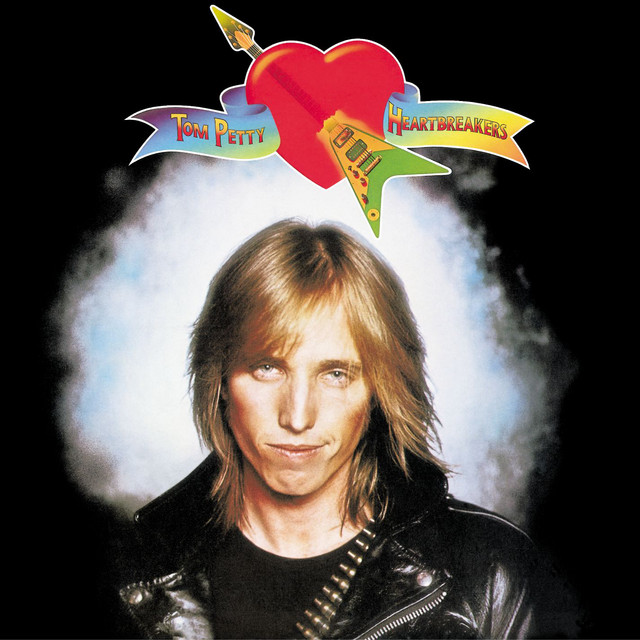
Tom Petty and the Heartbreakers ‘Self-Titled’ (1976)
I’ve talked about Tom Petty a fair amount over the years on here so it probably makes sense to start off with what I shared about his career and sound during my write-up of his magnum opus Damn The Torpedoes when I wrote about that album in May of 2023: For my money Tom Petty…
Written by
·
-
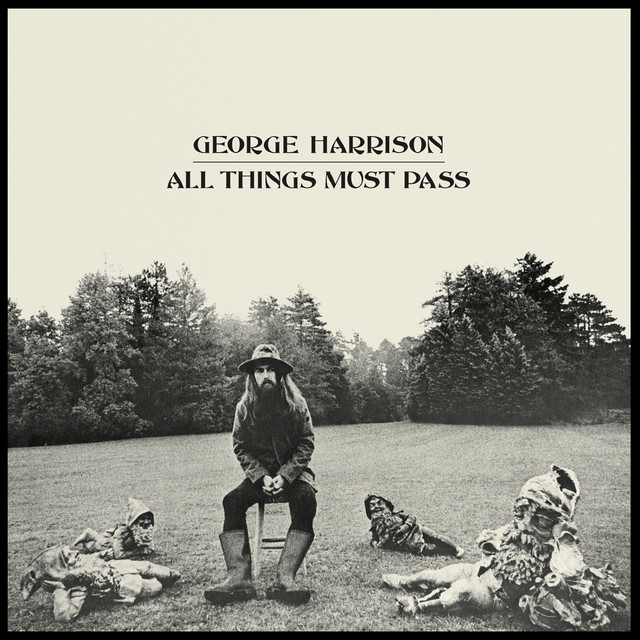
George Harrison ‘All Things Must Pass’ (1970)
Forever known as “The Quiet Beatle” George Harrison’s contributions to rock music over the years are stunning in their thoughtfulness. Less gregarious than Ringo Starr, less prolific than Paul McCartney, less iconic than John Lennon, Harrison is oft-forgotten from a commercial perspective. But I’ve always found his solo work post-Beatles to be the best of…
Written by
·
-

The Beach Boys ‘L.A. (Light Album)’ (1979)
Brian Wilson from the Beach Boys just passed away this week so I thought it fitting to listen to The Beach Boys almost universally panned album L.A. (Light Album). This is a far jump from the sheer brilliance of Wilson’s 1966 magnum opus Pet Sounds, and for good reason. In the late 1970s The Beach…
Written by
·
-
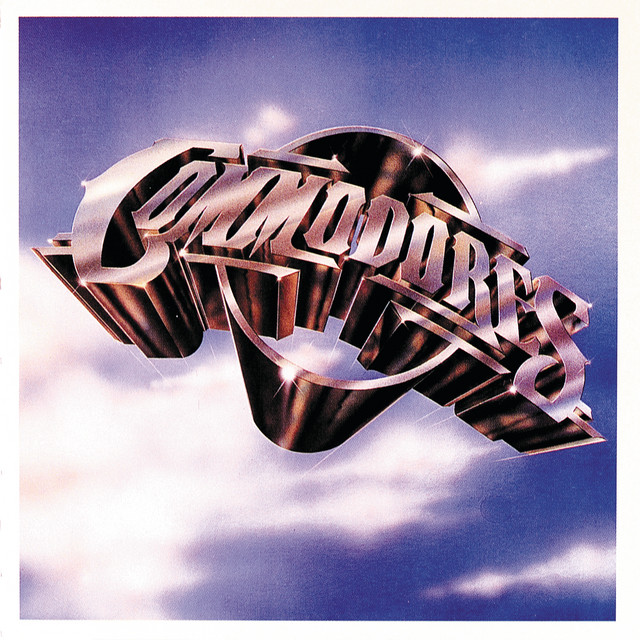
Commodores ‘Commodores’ (1977)
“That’s why I’m easy, easy like Sunday morning” is a vocal line that lives in my head rent free (and probably yours as well). To say it’s an iconic song is probably an understatement. It’s pretty much the defining song on any Sunday morning playlist anyone (including myself) have put together since March 30, 1977.…
Written by
·
-
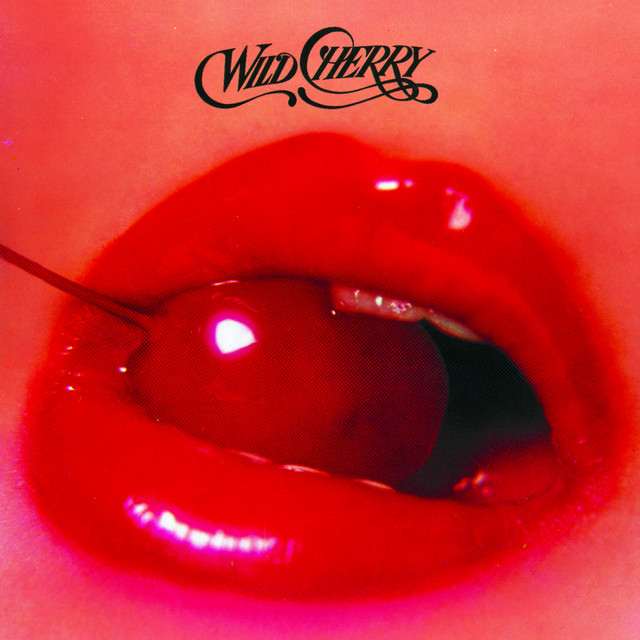
Wild Cherry ‘Wild Cherry’ (1976)
If you’ve ever turned on a radio in your life you’ve no doubt heard Wild Cherry’s claim to fame “Play That Funky Music”. It’s an absolute heater of a track that describes a real-life challenges the band had in adapting to the disco era. Wild Cherry actually a hard rock cover band early in their…
Written by
·
-
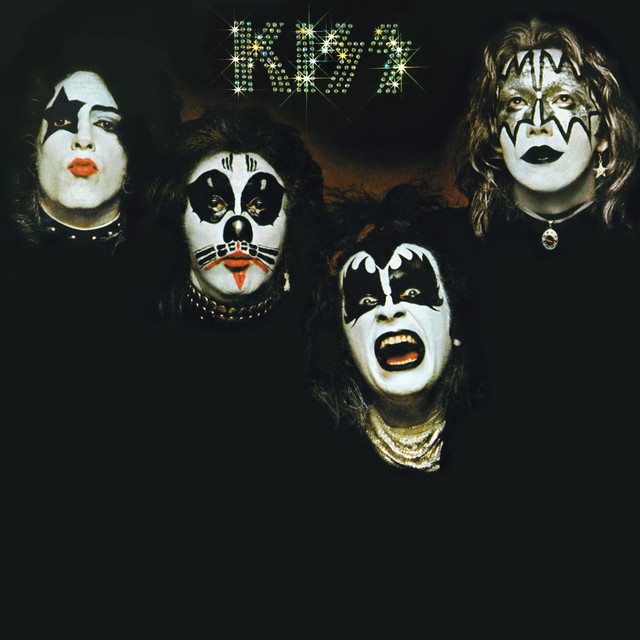
KISS ‘Kiss’ (1974)
KISS’ career has seen its fair share of twists and turns, from the bizarre pop metal and grunge era in the 80’s and 90’s respectively, and the band has never really gotten the respect for hardcore music fans that they deserved. But whether you’ve seen them as a Halloween-esque caricature or one of the early…
Written by
·
-
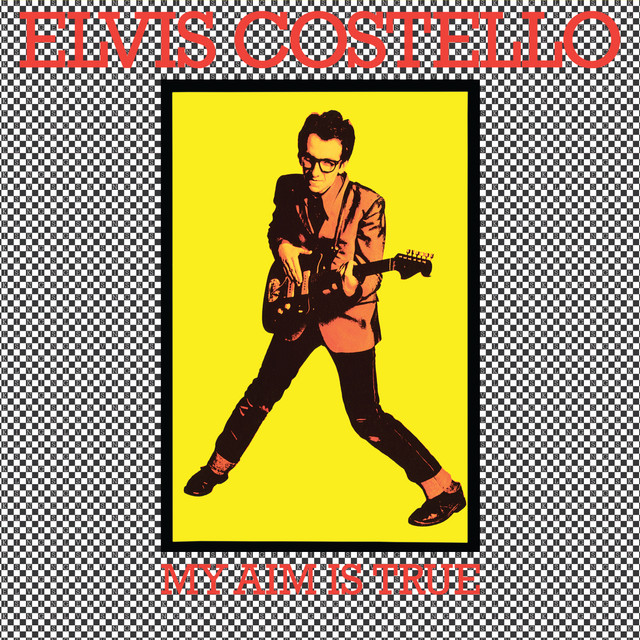
Elvis Costello ‘My Aim Is True’ (1977)
Juggling a day job as a data clerk at Elizabeth Arden, Elvis Costello squeezed recording sessions for My Aim Is True into six four-hour sessions, tracked on a shoestring budget with little time for polish. The urgency bleeds through in every note. Backed by the American country-rock band Clover—who were blissfully unaware of the sardonic…
Written by
·
-
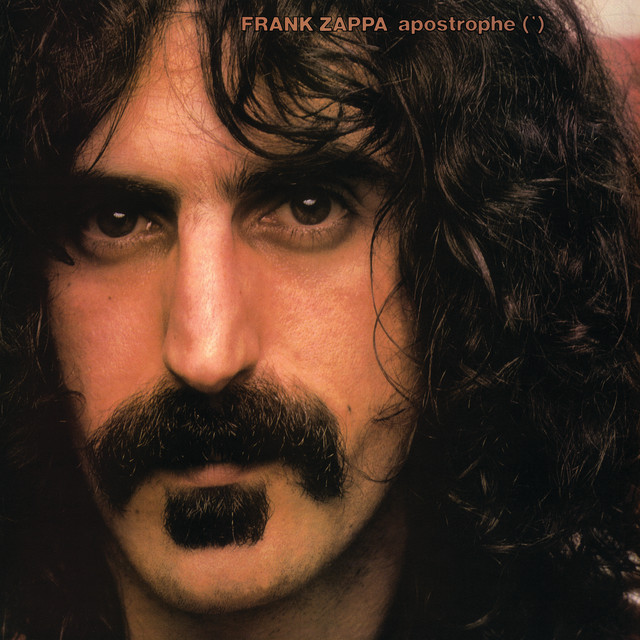
Frank Zappa ‘Apostrophe’ (1974)
Frank Zappa was part composer, part comedian, part critic of American culture, and fully unbothered by whether or not you cared. On “Apostrophe” Zappa refined his weirdness into commercial appeal.
Written by
·
-
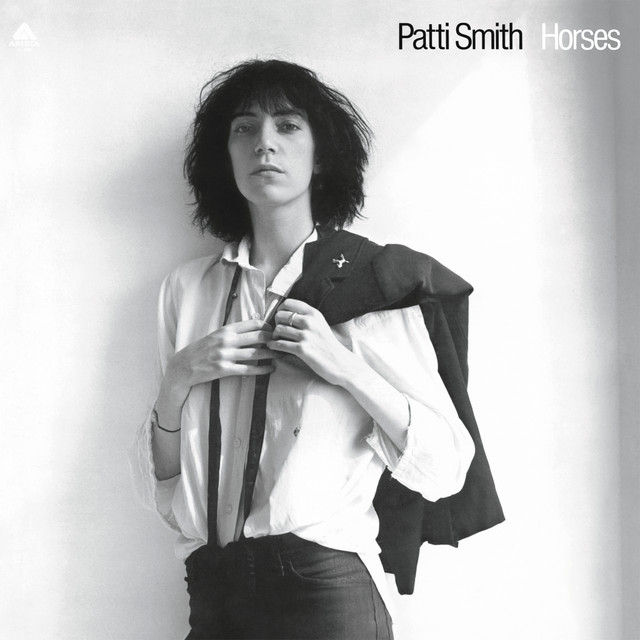
Patti Smith ‘Horses’ (1975)
Patti Smith’s Horses was a pivotal punk album that blended poetry, garage rock, and performance art. Recognized for its raw energy and influence on punk, it echoes The Velvet Underground’s artistic expression. Today we explore its impact.
Written by
·
-
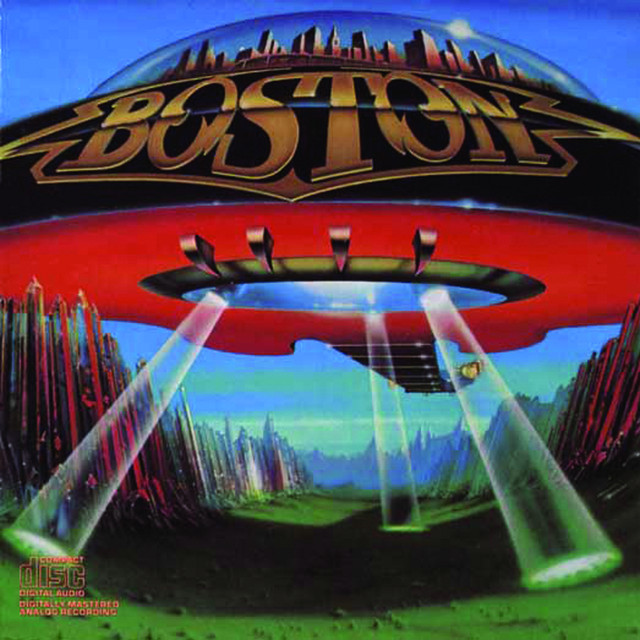
Boston ‘Don’t Look Back’ (1978)
Don’t Look Back isn’t nearly as good as the pretty-much-perfect debut album from Boston they dropped in 1976, due in part to how quickly the band churned this record out due to pressure from their label to write a quick follow up. There’s an old adage in the music business that you spend your entire…
Written by
·
-
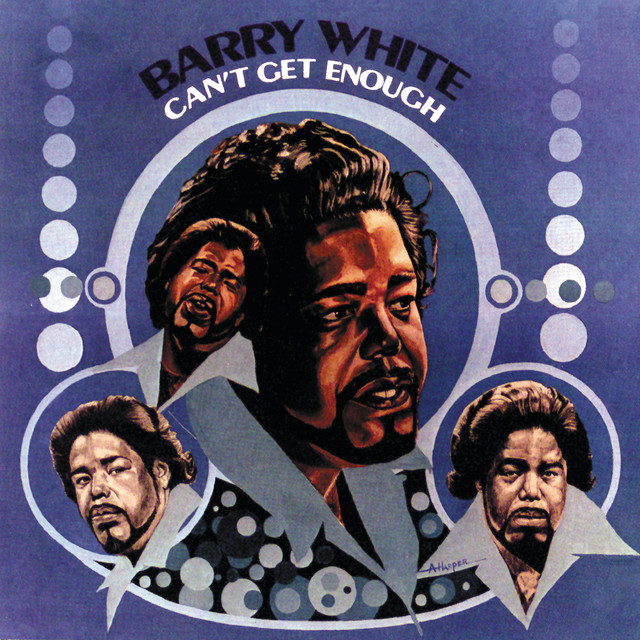
Barry White ‘Can’t Get Enough’ (1974)
With that deep velvety baritone, sweeping string arrangements, and grooves slow enough to make time stretch, Barry White became the undisputed voice of late-night candle-lit seduction. Songs like “You’re the First, the Last, My Everything” and the title track were soundtracks for romance in all its silky sweaty glory. What made it work wasn’t just…
Written by
·
-
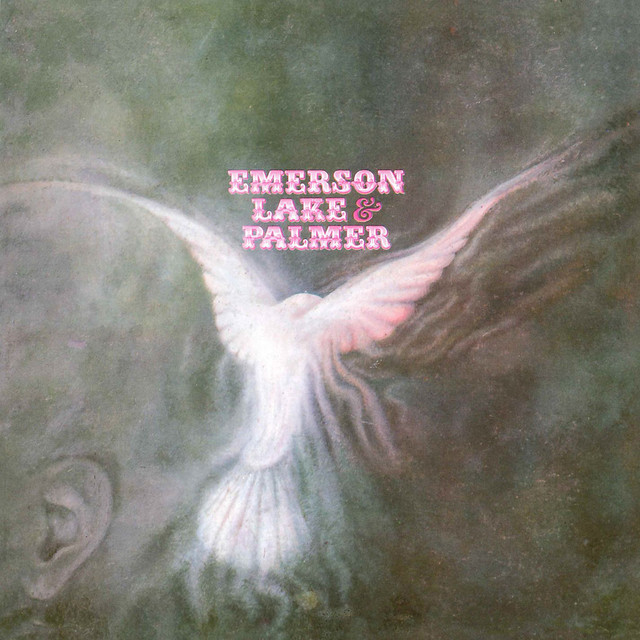
Emerson, Lake & Palmer ‘Self-Titled’ (1970)
With Keith Emerson’s wild virtuosic organ work, Greg Lake’s soaring vocals and melodic bass, and Carl Palmer’s jazz-informed drumming, the dynamic trio blended classical music, jazz, and hard rock into something ambitious. The album moves from delicate acoustic moments to full-blown symphonic chaos that (at times) feels unapologetically over-the-top. The boys didn’t have any time…
Written by
·
-
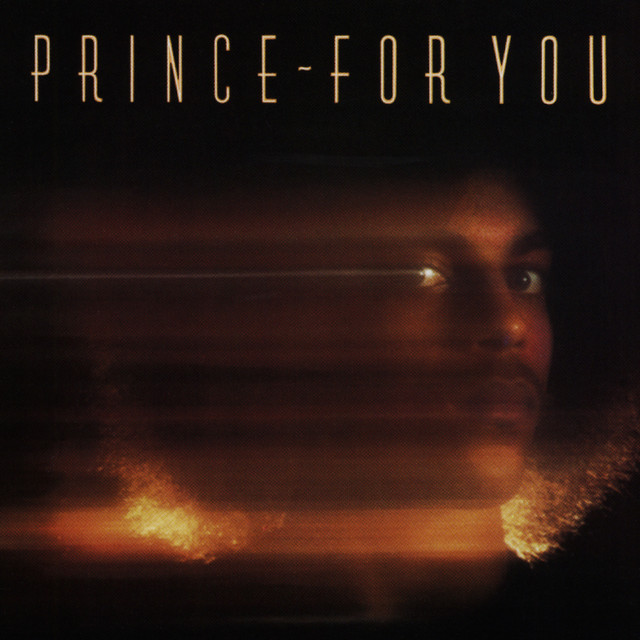
Prince ‘For You’ (1978)
A year and a half ago we covered Prince’s impact on pop music when we wrote about his masterpiece Purple Rain, one of my favorite albums of all-time that captured the magic of Prince when he was at his creative and commercial peak. Today we throw it back to his debut album that was released…
Written by
·
-
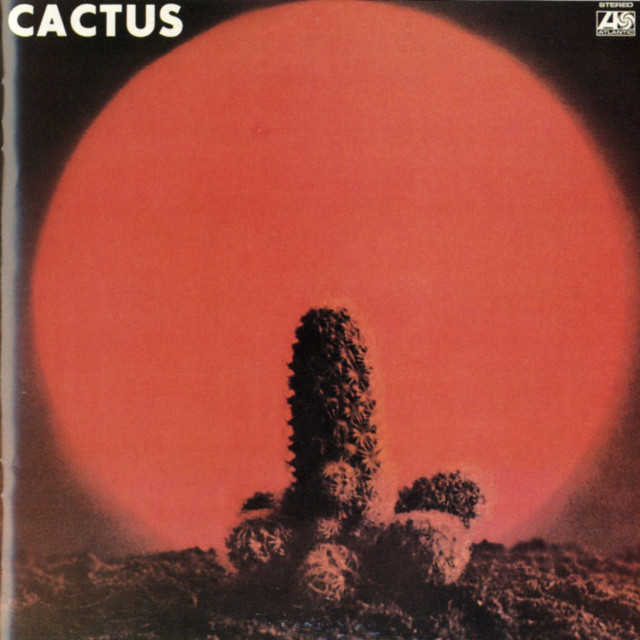
Cactus ‘Cactus’ (1970)
Along with having a pretty bad ass name for a classic rock band (seriously this is a great one) Cactus was known in the early 70’s for effectively being the American version of Led Zeppelin. Hard rock and blues, an all-time combination, and a raw sound filled with powerful guitar riffs and improvisational jams that…
Written by
·
-
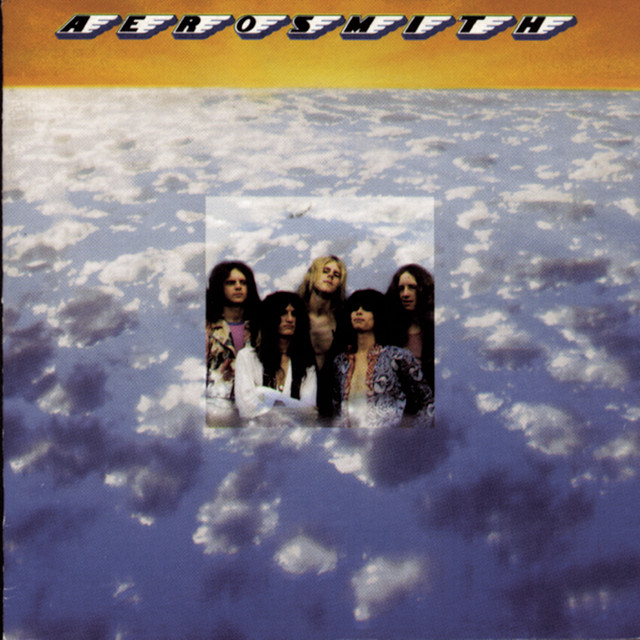
Aerosmith ‘Aerosmith’ (1973)
Aerosmith hadn’t yet reached their commercial and creative peak when they released their debut album 1973 (that would come in 1975 when they released the immaculate Toys in the Attic), but they did showcase a bit of what was to come with their muscular and stripped down version of blues rock. Their debut album is…
Written by
·
-

Paul McCartney and Wings ‘Band on the Run’ (1973)
Band on the Run was Paul McCartney and Wings’ third album and followed a pretty underwhelming beginning of his solo career that began when The Beatles broke up in the spring of 1970. It marked his final album for Apple Records and followed the two commercial duds that were 1971’s Wild Life and 1973’s Red…
Written by
·
-
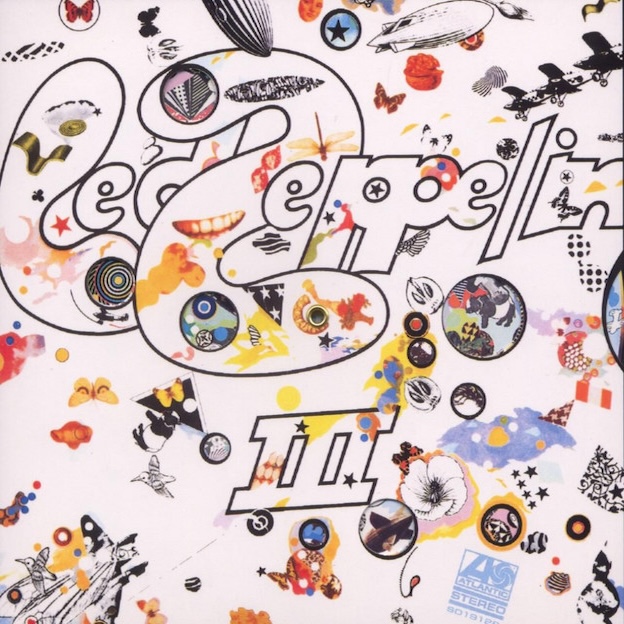
Led Zeppelin ‘III’ (1970)
Led Zeppelin’s third album marked a sharp departure from the band’s first two records, blending their signature hard rock with a newfound acoustic sensibility. All this makes sense considering the historical context here– III was Zep’s third album in only a year and a half, an incredibly prolific run over such a short period of…
Written by
·
-
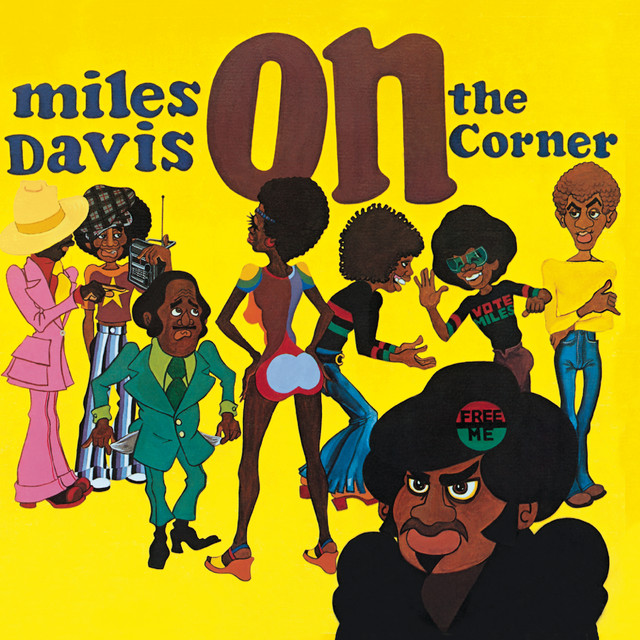
Miles Davis ‘On The Corner’ (1972)
Once lambasted by the mainstream jazz community (Bill Coleman once said it was “an insult to the intellect of the people”), On the Corner has since been reappraised as a groundbreaking and visionary work that was way ahead of its time. Fusing funk, rock, electronica, and jazz together, Davis’ tested the limits of what the…
Written by
·
-
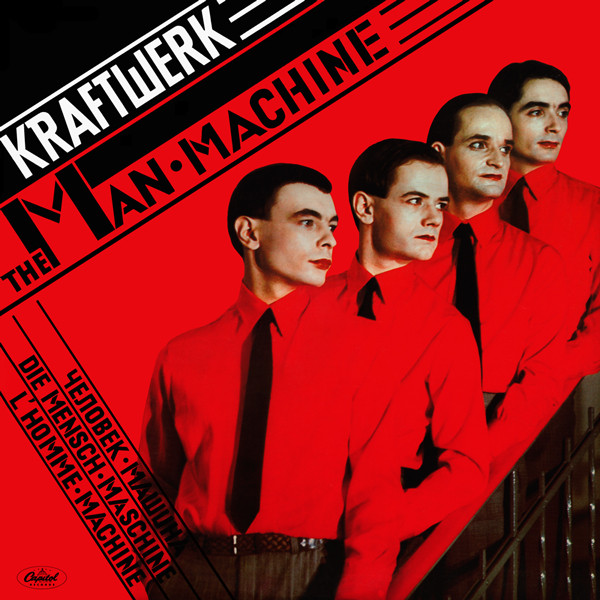
Kraftwerk ‘The Man-Machine’ (1978)
The Man-Machine took me some real time to get into. I kind of regretted my decision to listen to this album about halfway through the opening track “The Robots”. The whole thing felt incredibly plodding, like it was struggling to find its purpose for existing. But the longer the song went on the sheer audacity…
Written by
·
-
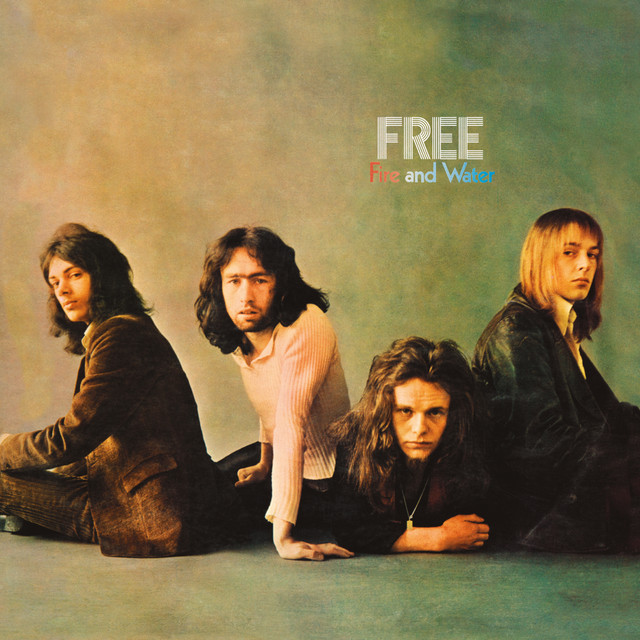
Free ‘Fire and Water’ (1970)
Free’s Fire and Water is a perfect example of British blues rock at its rawest and most soulful. The album is built on gritty, stripped-down guitar riffs, steady grooves, and an undeniable sense of space that lets every note breathe. At the heart of it all is Paul Rodgers, whose smoky, powerful voice carries every…
Written by
·
-
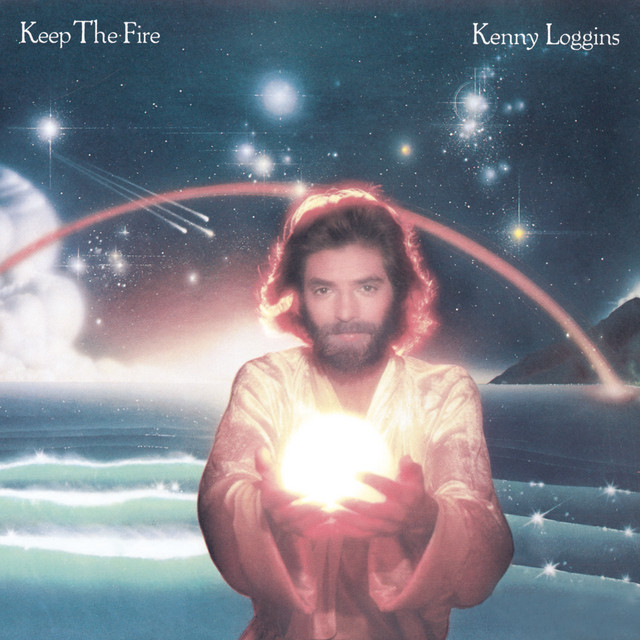
Kenny Loggins ‘Keep The Fire’ (1979)
Kenny Loggins’ Keep The Fire is a prime example of the smooth, radio-friendly sound that defined the yacht rock genre, blending polished production, breezy melodies, and Loggins’ signature sweet vocals. It was an album that solidified Loggins as one of the era’s defining artists, effortlessly straddling pop and soft rock with a touch of funk.…
Written by
·
-
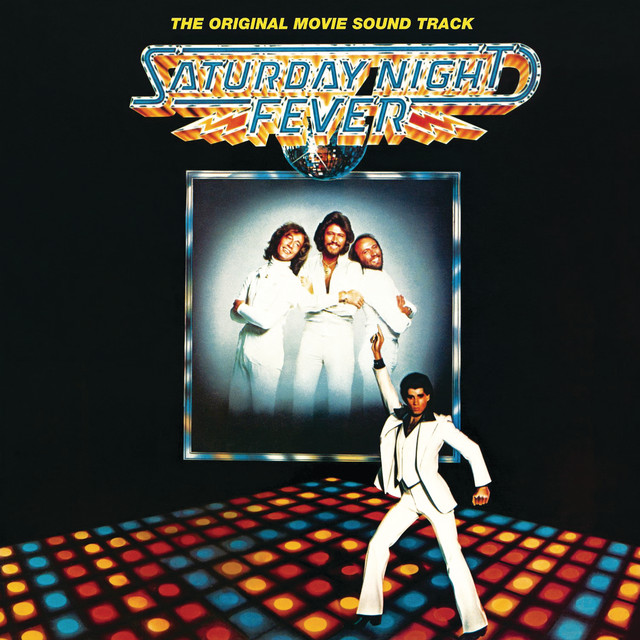
Saturday Night Fever ‘Original Soundtrack’ (1977)
Few acts have navigated pop music’s shifting tides with the chameleonic brilliance of the Bee Gees, a trio whose harmonies could cut through the thickest disco fog or glide over baroque balladry with equal finesse. Rising from the shadow of the Beatles in the ’60s to become the glittering architects of the ’70s dancefloor, their…
Written by
·
-

Black Sabbath ‘Black Sabbath’ (1970)
With its ominous, tritone-laden riffs, thunderous rhythms, and dark, foreboding lyrics, Black Sabbath’s self-titled debut album laid the foundation for what would become heavy metal. Tracks like the titular opener, with its haunting bell tolls and Tony Iommi’s crushing guitar work, and the relentless groove of “N.I.B.” (that bass line was legitimately everything to me…
Written by
·
