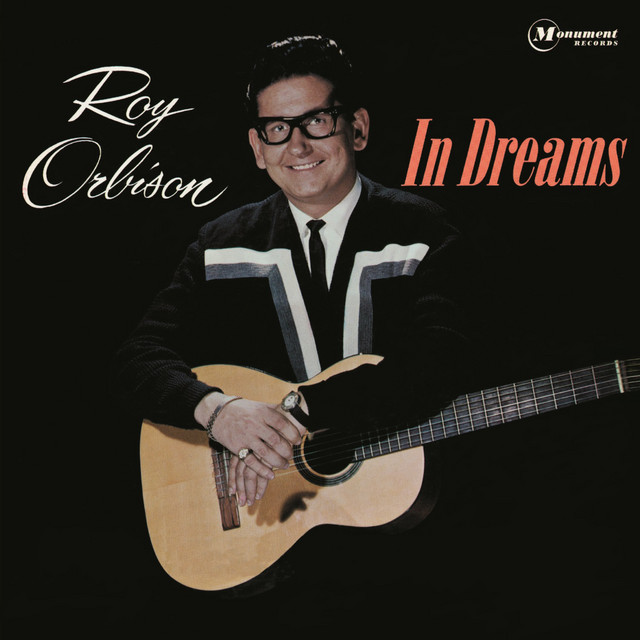
One thing I’ve always loved about Roy Orbison is how he completely cut against the grain for traditional country-pop music of the 1960’s. The man didn’t have a publicist nor did he have the traditional arrangements that defined the era. While his peers leaned on swagger and raw energy, Orbison carved out a space defined by emotional vulnerability and cinematic drama. And boy how dramatic In Dreams is. The whole album is a welcome break from the traditional verse-chorus structure, weaving complex melodies and unpredictable key changes that mirrored the intensity of his lyrics, often cap-stoned with an epic flourish to end the song. Take one listen to the ending of “My Prayer” and tell me you don’t goosebumps. It’s dramatic perfection. Dressed in black with his trademark sunglasses and stoic stage presence, he was mysterious and dorky while letting his soaring, operatic voice do the storytelling.
Above all else Orbison showed that heartbreak could be grand and beautiful. And in doing so he created a style that was both timeless and uniquely his own. My all-time favorite artist Bruce Springsteen said it best when he described Orbison during a 2012 interview. Feels fitting to close out this writeup with his words which say it better than anyone else ever could.
“Roy Orbison was the true master of the romantic apocalypse you dreaded and knew was coming after the first night you whispered ‘I Love You’ to your first girlfriend. You were going down. Roy was the coolest uncool loser you’d ever seen. With his Coke-bottle black glasses, his three-octave range, he seemed to take joy sticking his knife deep into the hot belly of your teenage insecurities.”
– Bruce Springsteen @ 2012 SXSW
Standout Songs: “In Dreams”, “My Prayer”, “Blue Bayou”, “(They Call You) Gigolette”, “All I Have to Do Is Dream”, “Lonely Wine”