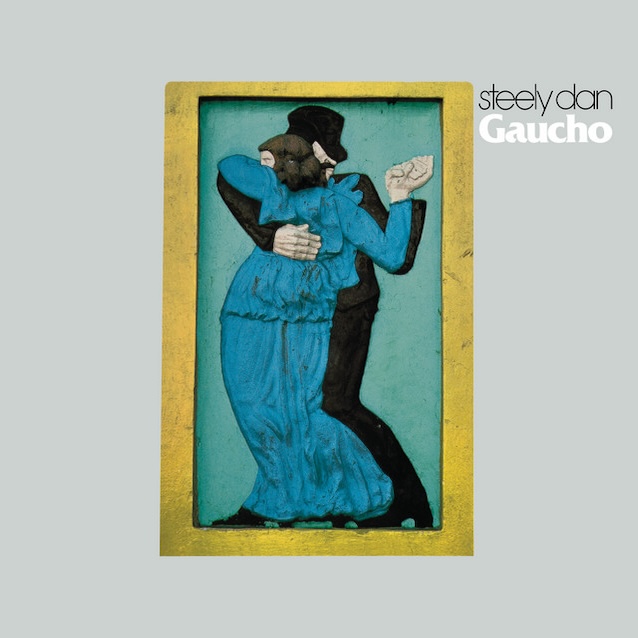
For all intents and purposes Walter Becker and Donald Fagen from Steely Dan were psychopaths. These dudes completely redefined what the word meticulous means during their grueling studio sessions, displaying an obsession with perfectionism that basically dragged everyone involved along with them down into a never-ending rabbit hole. The recording of Gaucho is probably the best example of their attention to detail, a process that played out over two years and ultimately led the band to burnout which caused them to take a 20-year hiatus.
Over 40 world-class session players were brought into the studio to assist in recording Gaucho, comprising some of the biggest names in the history of the music industry (Mark Knopfler from Dire Straits, Jeff Porcaro from Toto, the legendary Chuck Rainey on bass, the list legitimately goes on and on). An example of their backbreaking process can be gleaned from how they recorded drums– the title track alone was assembled from an astonishing 46 different takes recorded over a whopping three months. Becker and Fagen would roll in the best drummers in the world and have them play in 12-hour marathon sessions with a full band accompanying them. But the insane part is that everything besides the drum tracks were completely tossed from those sessions– they didn’t keep a damn thing besides the drums. And DESPITE ALL THAT, Fagen and Becker were still unsatisfied with the drum performances in certain sections of specific songs so they dropped $150K (worth $652K today) on a drum machine they nicknamed “Wendel” which was created in three weeks by their famed sound engineer Roger Nichols.
Along with the meatgrinder of a recording experience, the rest of the sessions saw some artistic tragedy occur. In one of the most gut-wrenching stories that honestly hurts to hear, Steely Dan had nearly completed a track called “The Second Arrangement” (allegedly one of their favorites on the album). However, a studio assistant accidentally erased a significant portion of the master tape during a listening session, wiping out everything beyond recovery besides the last 14 seconds of the song. Devastated by the loss, Donald Fagen and Walter Becker ultimately decided to abandon the track rather than attempt to re-record it from scratch.
So the question is– was all this drama worth it? Honestly, yeah. The whole thing feels like a perfect time capsule that captured the dying breath of the drug-fueled excess of the late 70’s, a dynamic the band pushed so far that it ultimately collapsed in on itself because they had nowhere else to go. Its production carries an eerie, almost alien quality, as if the studio itself existed in a sealed-off vacuum devoid of any character outside of the instruments themselves. Dan-fans debate the hell out of this album with opinion brutally split between “elevator music at a Holiday Inn” to “the band’s second masterpiece only behind Aja“, and for me I’m much closer to the latter camp. The brutally relentless pursuit of musical excellence that defined Steely Dan and made them one of the most sophisticated and sonically polished bands in music history is all present here, warts and all. And like all great albums, the story behind this one is worthy of the final product.
Standout Songs: “Babylong Sisters”, “Hey Nineteen”, “Gaucho”, “My Rival”, “Third World Man”