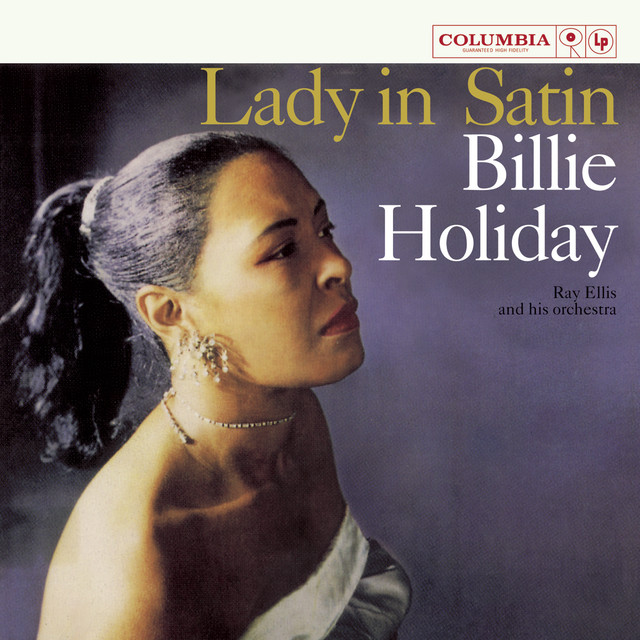
In 1958 Billie Holiday entered the studio to record Lady in Satin and was a woman bearing the weight of a lifetime of hardship and heartbreak. The years of substance abuse, turbulent relationships, and brushes with the law had taken a significant toll on Holiday, both physically and emotionally. Her once-crystalline voice now carried a raw, fragile quality that made every note feel like a whisper uttered in a confessional booth. The album paired her weathered voice with lush, sweeping string arrangements produced by Ray Ellis—an unusual choice for a jazz singer but one that gave her performances a haunting, cinematic depth. Billie’s interpretations of songs like “I’m a Fool to Want You” and “You’ve Changed” felt almost painfully intimate, as if she was laying bare her soul one last time. In every breathy phrase and faltering high note, you can hear the traces of her struggles, making it as much an emotional experience as a musical one.
Just one year after Lady in Satin was released, Holiday passed away from liver cirrhosis at the young age of 44 with a mere 70 cents in her banking account. Lady In Satin became her swan song, a stark and vulnerable portrait of an artist grappling with her own mortality. Unlike her early recordings which featured a spirited resilience, Lady in Satin captures Holiday at her most introspective, facing the shadows of her life with both sorrow and grace. Its timelessness lies in this unfiltered honesty—she wasn’t the singer she once was, but she was telling a truth that transcended mere vocal prowess.
Standout Songs: “I’m a Fool to Want You”, “You’ve Changed”, “For All We Knew”